
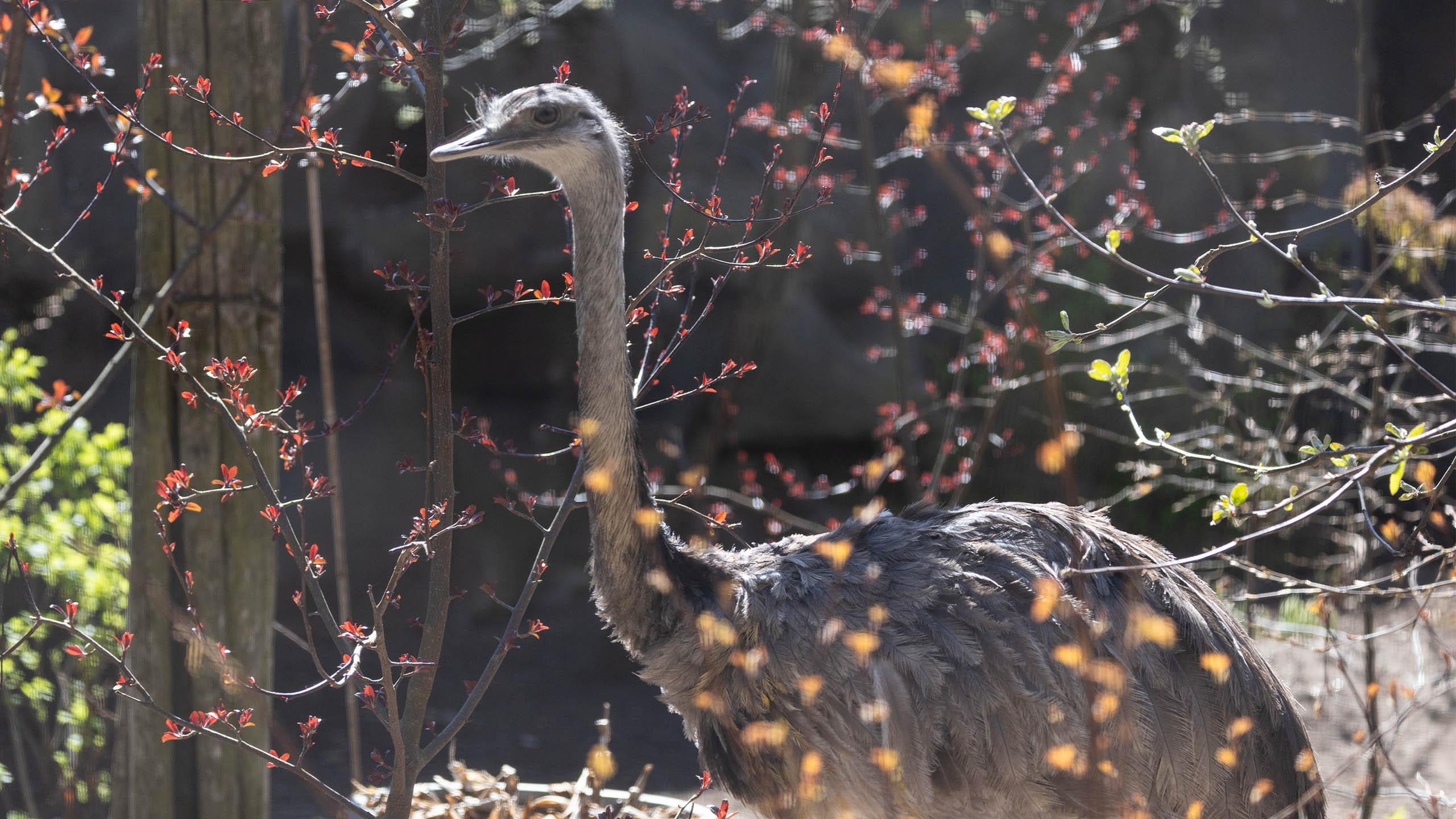
Greater rhea
Rhea americana
The greater rhea is the third largest of the world’s current bird species, after the African ostrich and the Australian emu. Like other large flightless birds, the greater rhea is a fast runner and can run at a speed of up to 60 km/h. The species is also known as the ‘nandu’, based on the birds’ calls during mating season, nan-du.
Greater rhea males are polygynous. They make a nest in a soil pit and several females lay eggs in the same pit. Having laid the eggs, the females wander off while the male stays in the nest to incubate the eggs and take care of the hatchlings until they become independent at the age of about six months. During the nesting period, the male aggressively defends its territory, nest and hatchlings. Outside the nesting season, greater rheas live harmoniously in flocks.
Conservation
The number of greater rheas in the wild has declined due to the negative impacts of agriculture.
Endangerment

Distribution
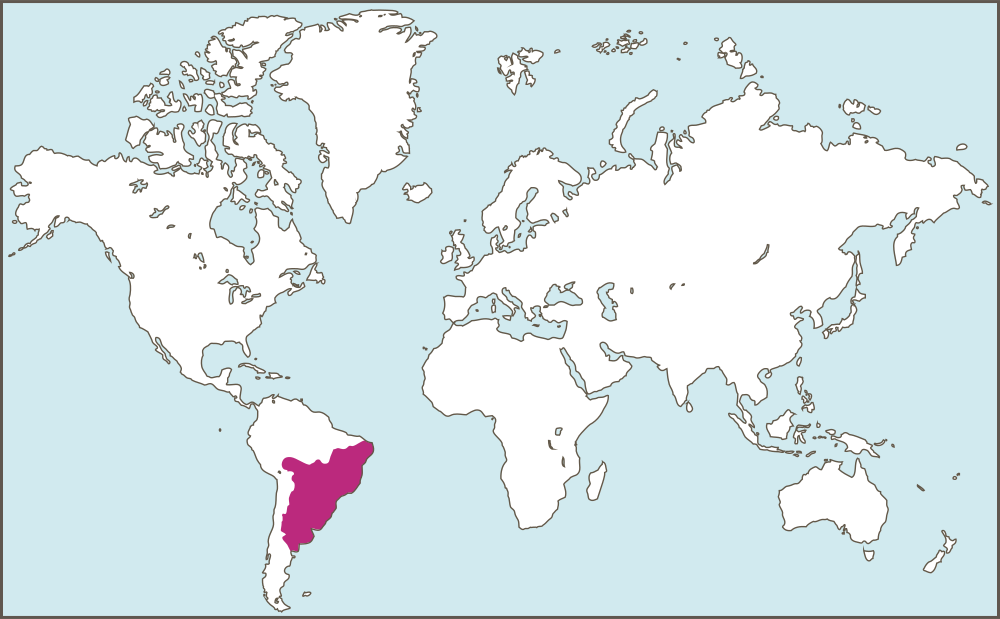
Habitat

Diet


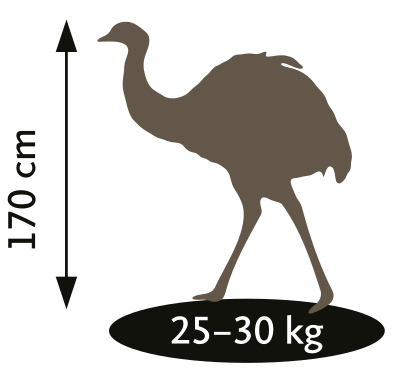
Size
Lifespan
Up to 10-20 years
Scientific classification
Order: Rheiformes
Family: Rheidae