Reintroduction is long-term cooperation
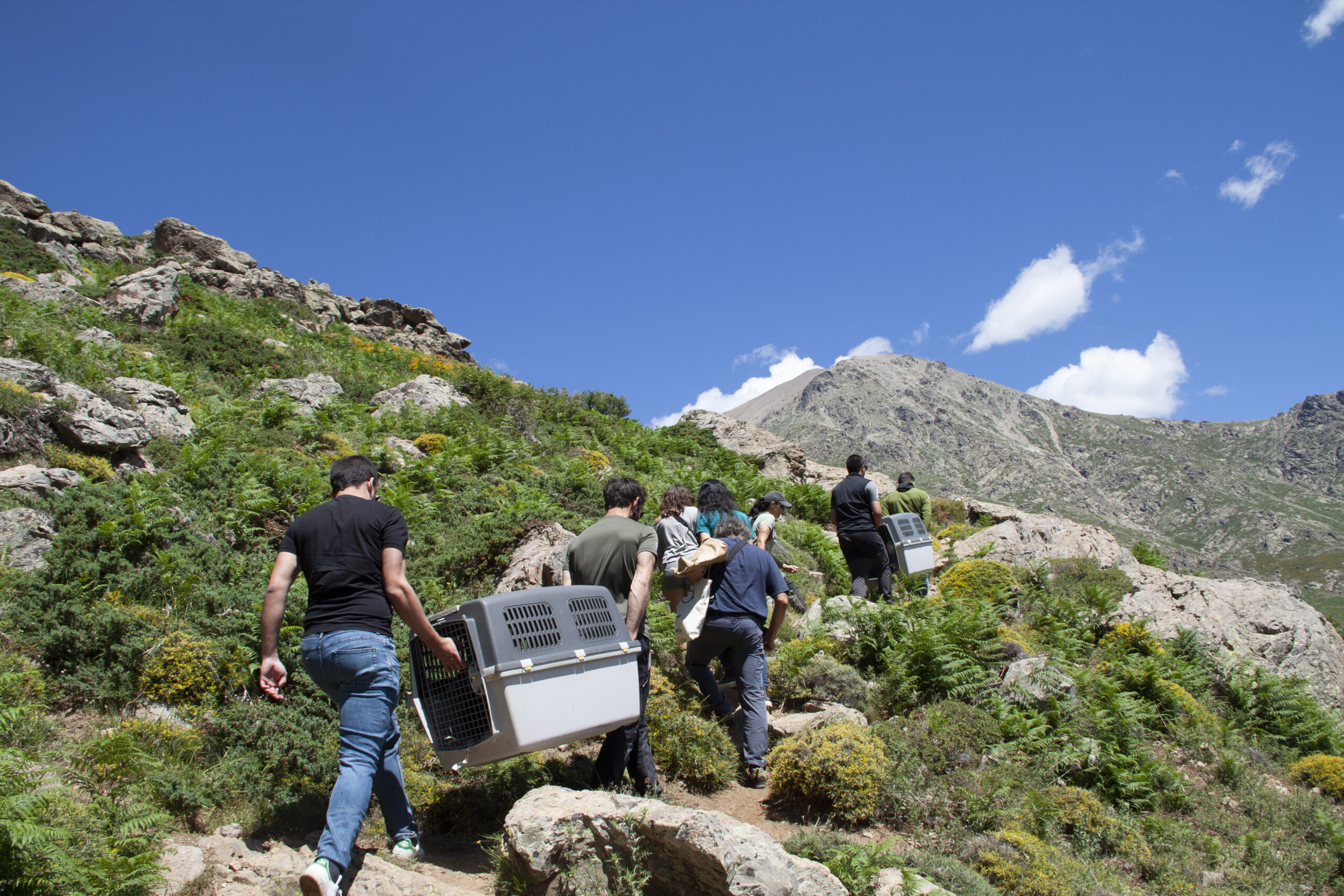
Responsible animal reintroductions are carried out according to the guidelines of the International Union for Conservation of Nature IUCN and the European Association of Zoological Associations EAZA. They require careful surveys and adaptation of individuals, as unplanned releases can even be damaging to the species – for example, if the subspecies of the animal is not known exactly.
Threats to the species, such as poaching or habitat destruction, must also be identified and resolved before translocations are made. This is why projects can take up to decades to start.
In addition to zoos, many international conservation organisations are involved in reintroduction projects, as well as local residents, for whom the projects also create new jobs: for example as rangers and research assistants.
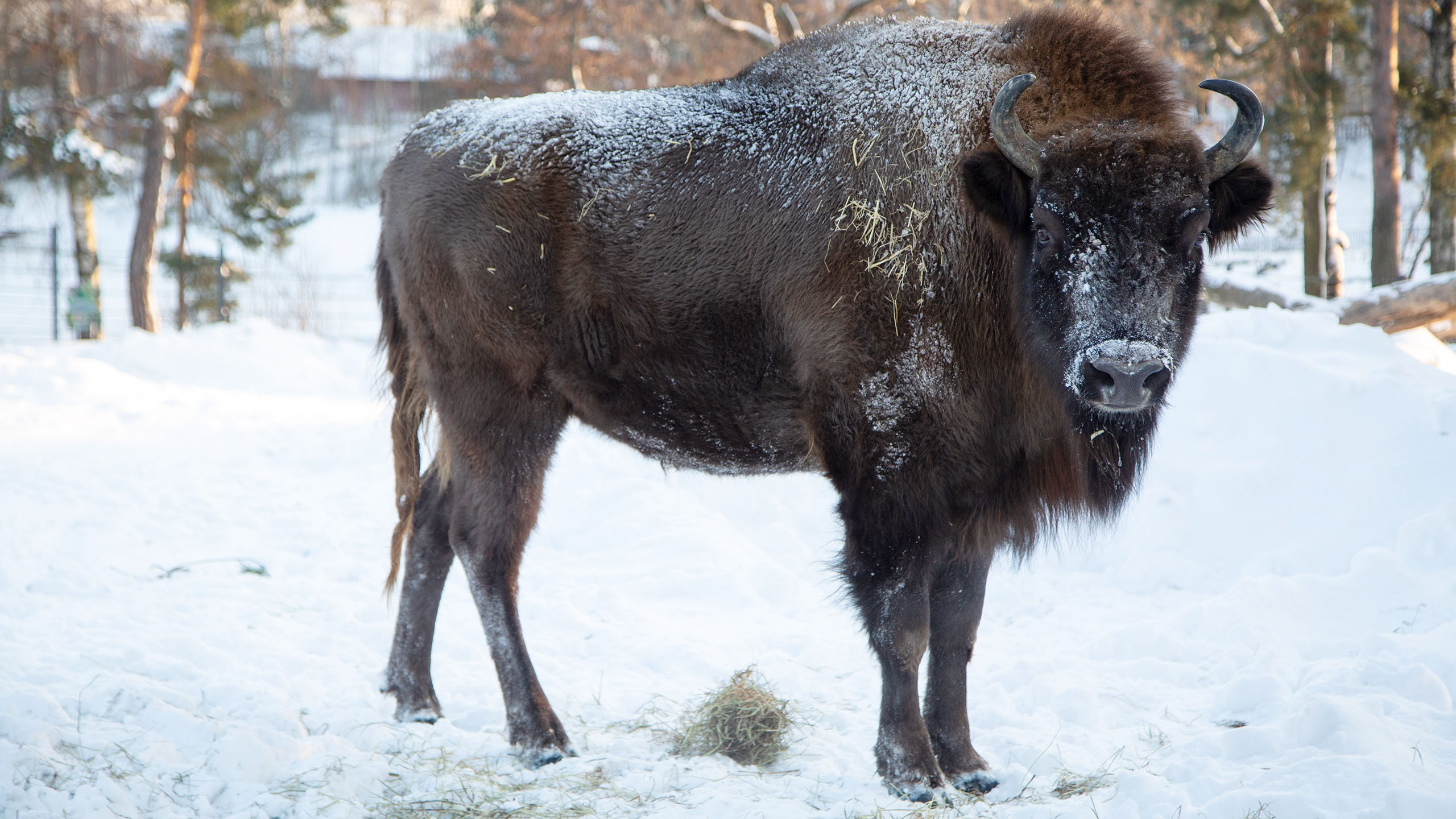
Animals born in zoos have been used to reintroduce dozens of species that were once extinct in the wild due to human activities. These include the European bison, the Arabian oryx and the California condor.
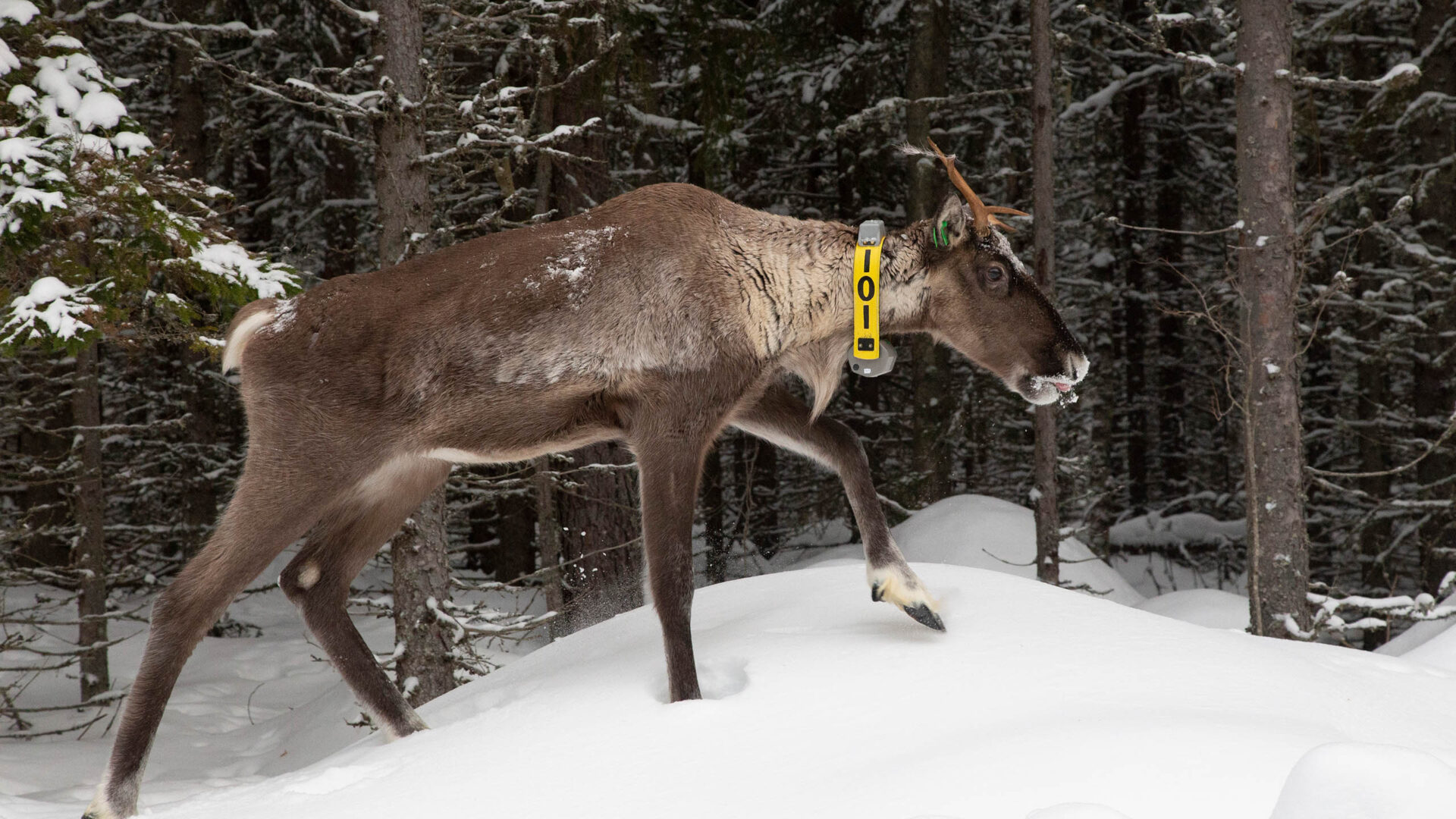
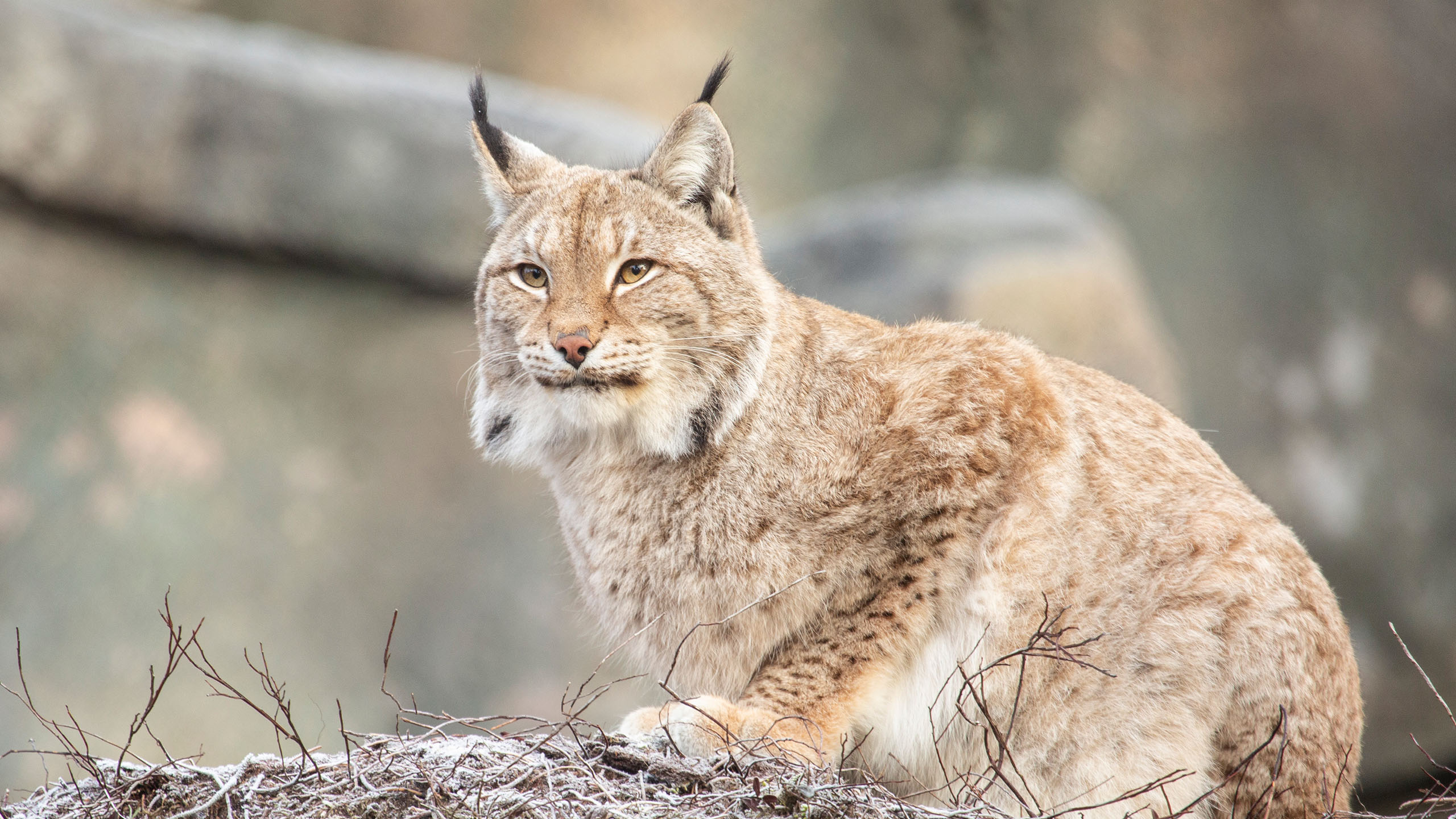
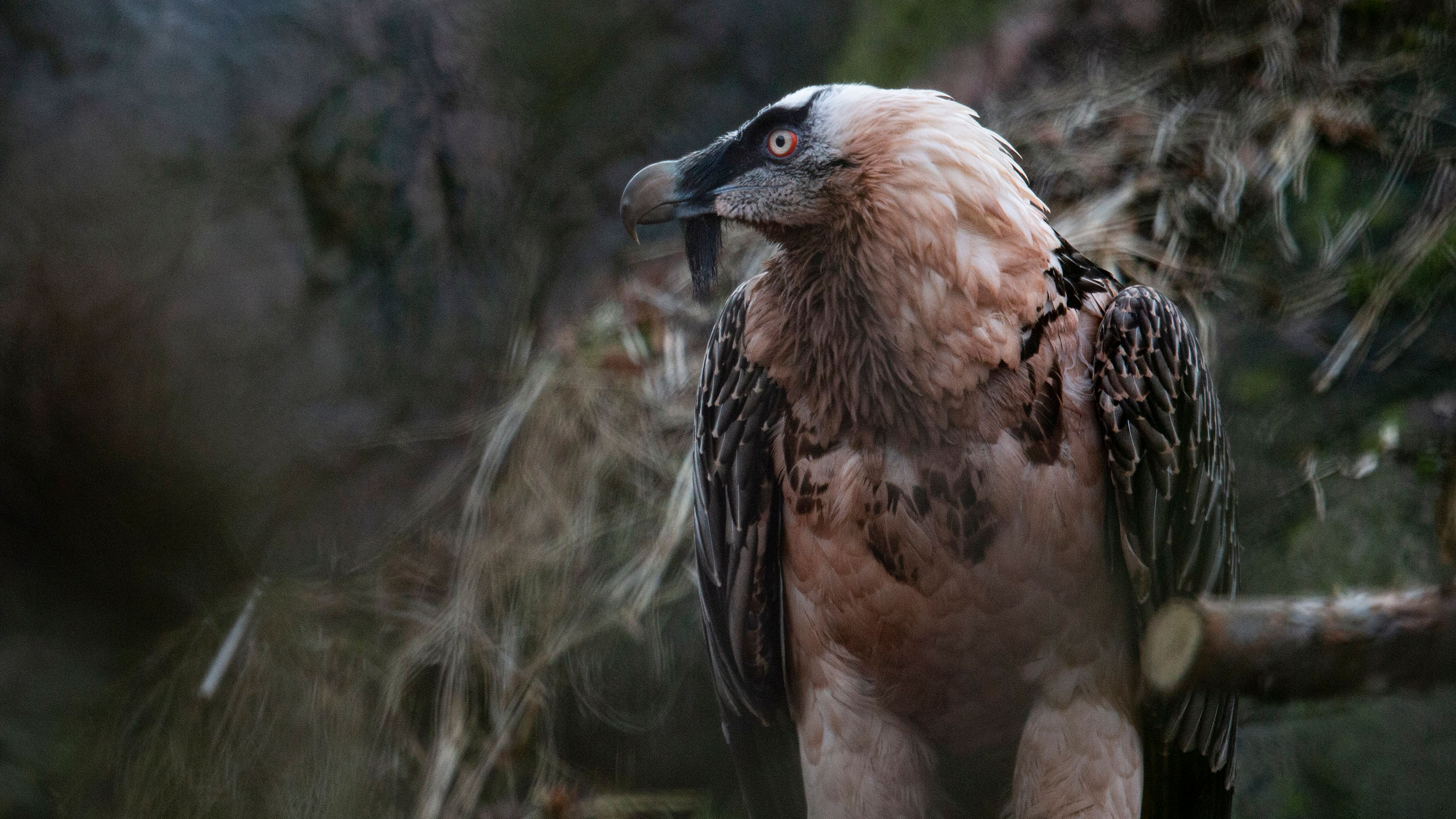
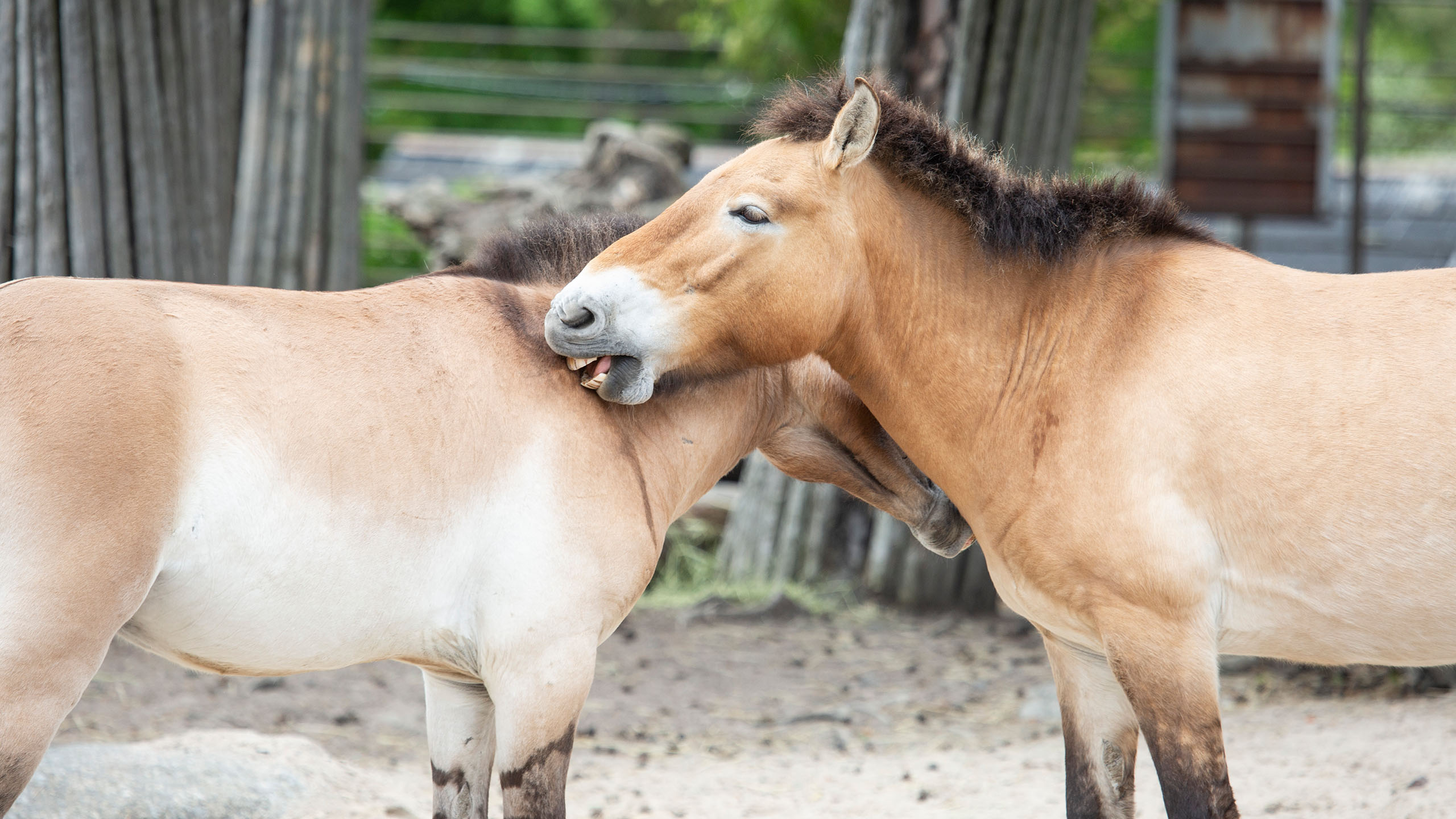
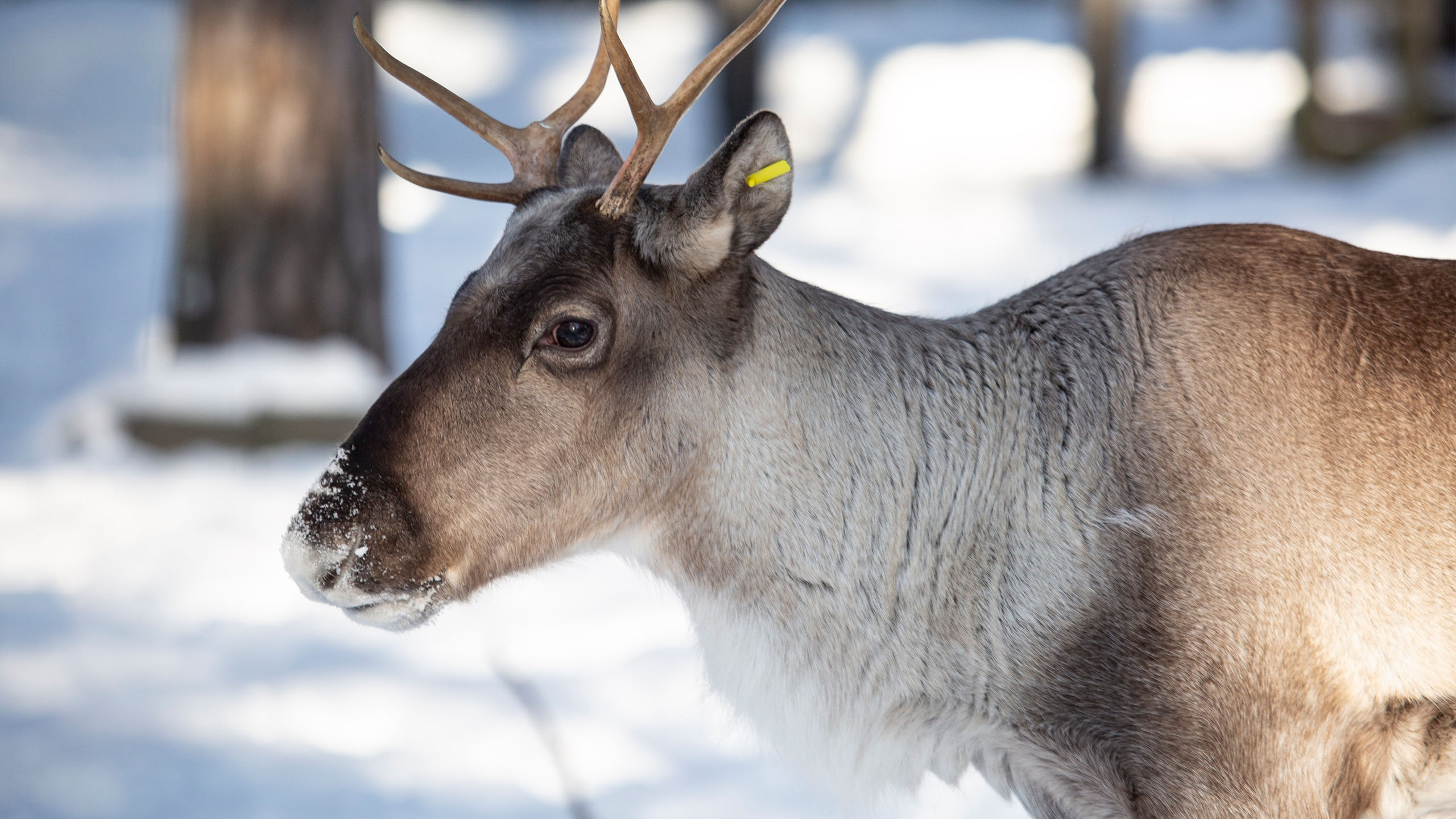
Over the past decades, Korkeasaari Zoo has helped to strengthen the wild populations of several species – including the European forest reindeer, Przewalski’s wild horse, bearded vulture, and the lynx!