Published 18.05.2026
A Year at the Wildlife Hospital
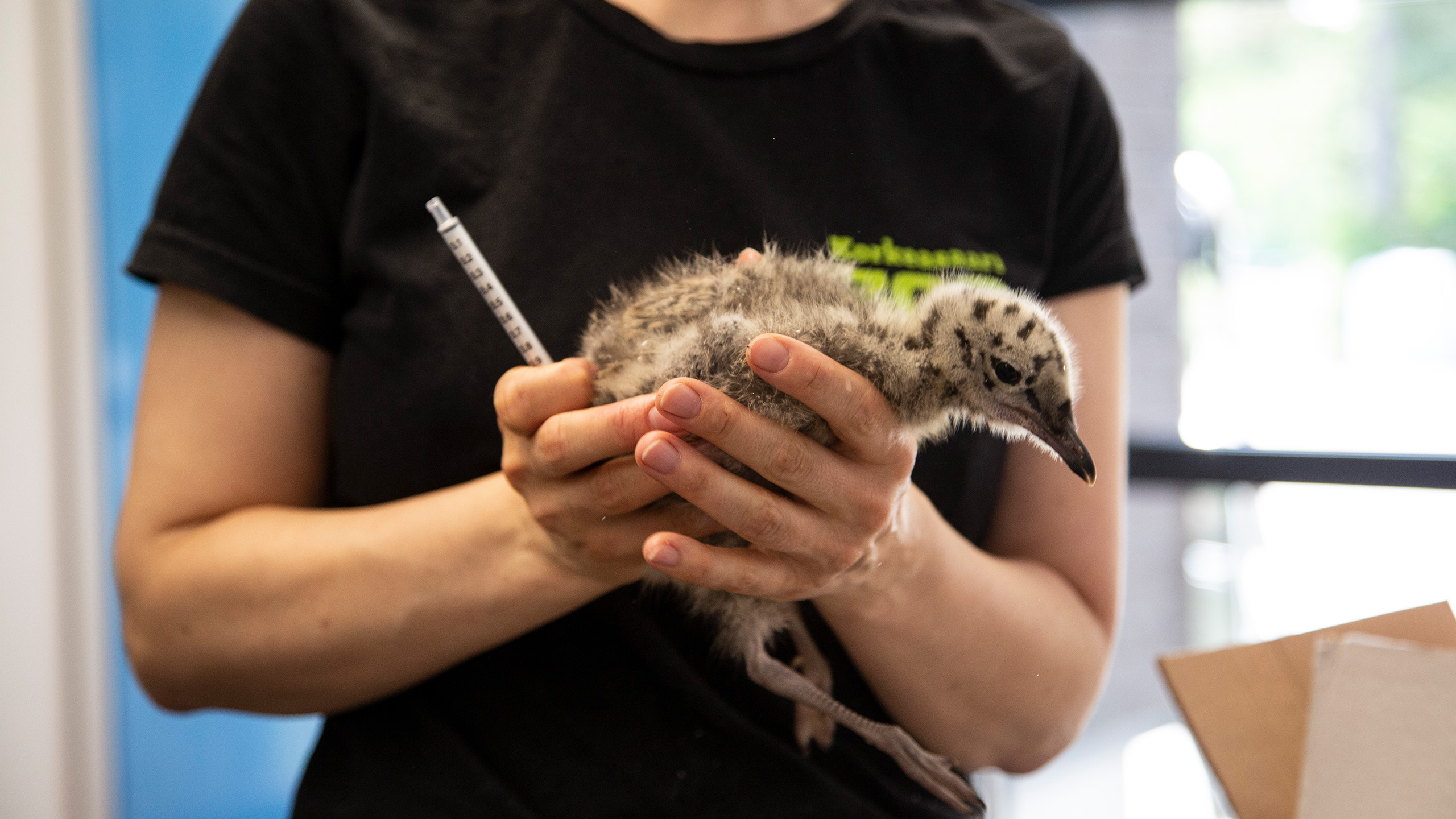
Korkeasaari Zoo's Wildlife Hospital is Finland’s largest treatment center for wild animals, both in terms of patient numbers and the diversity of species treated. Wildlife Hospital accepts all native wild animal species found in Finland. Largest patient group are birds.
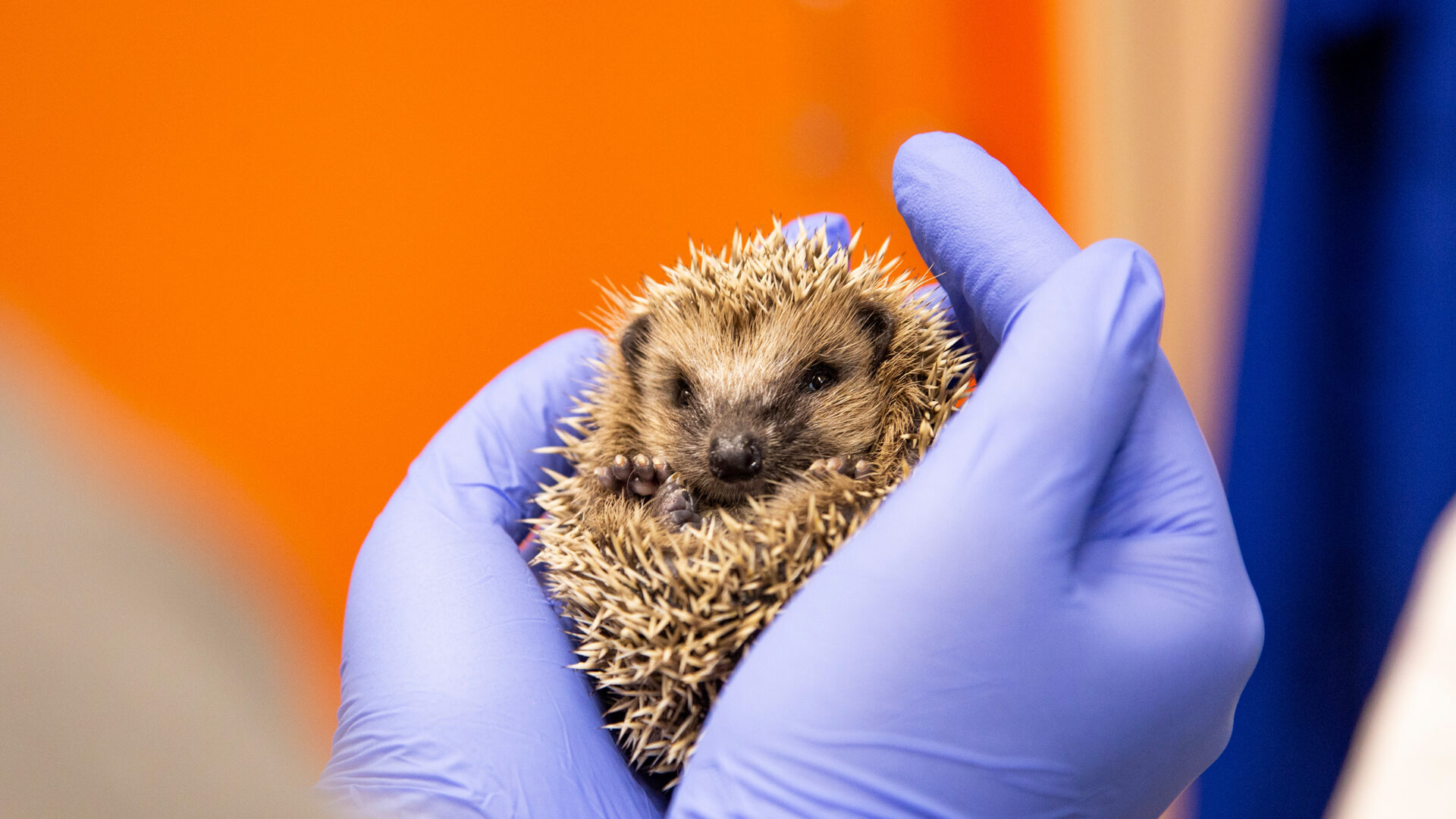
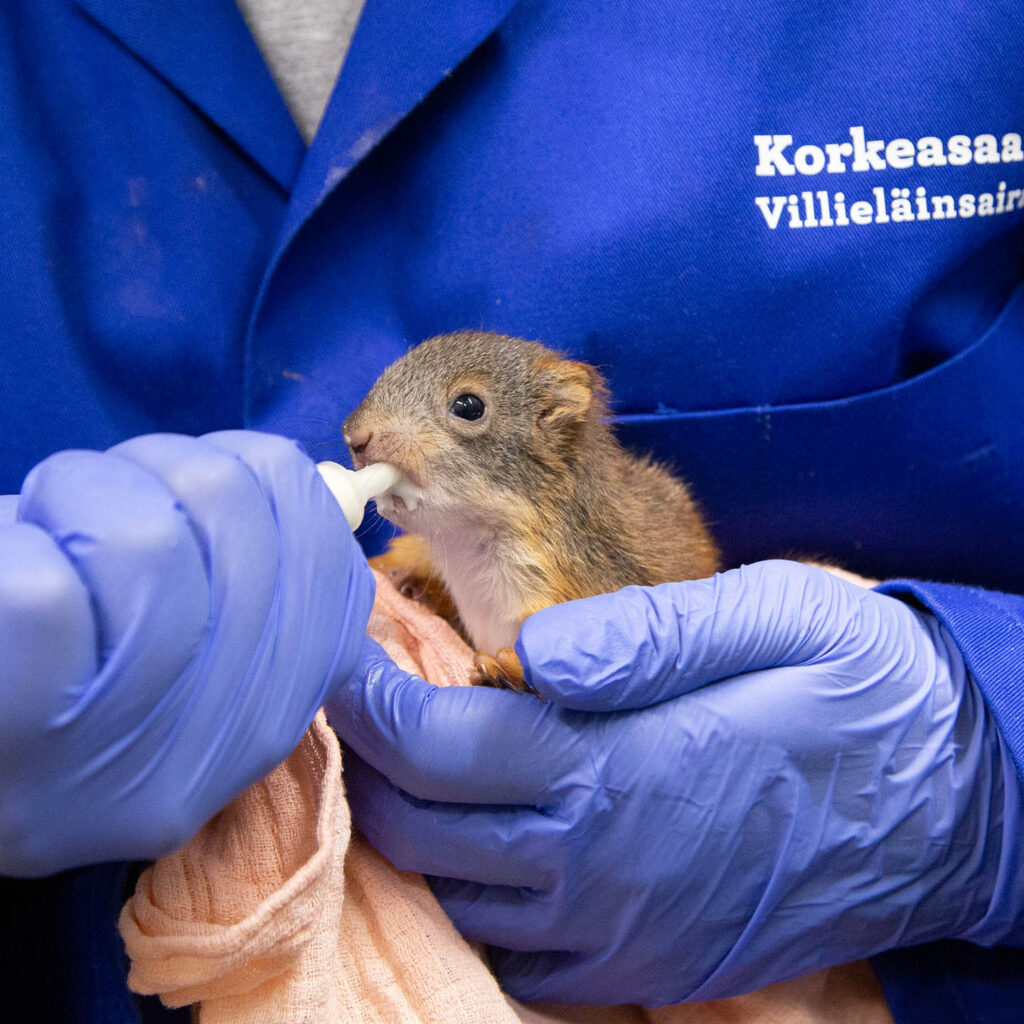
Each year, Korkeasaari Zoo’s Wildlife Hospital treats numerous wild animal patients. Many different species are cared for, but the patient statistics also follow certain recurring seasonal patterns. In spring, the hospital often treats young hares, squirrels, and birds, as well as grey seal pups. In summer, besides young gulls, many common swifts are brought in for care. Later in the summer and into autumn, bats and birds of prey are common patients, while swans and owls are frequently treated toward the end of the year. Hedgehogs arrive for treatment throughout the year.
For every individual animal, the goal is to rehabilitate it in accordance with animal welfare legislation so that it can be returned to the wild to continue an independent life. Invasive alien species are also accepted, but they are euthanized immediately and painlessly, as legislation concerning invasive species prohibits their release back into nature.
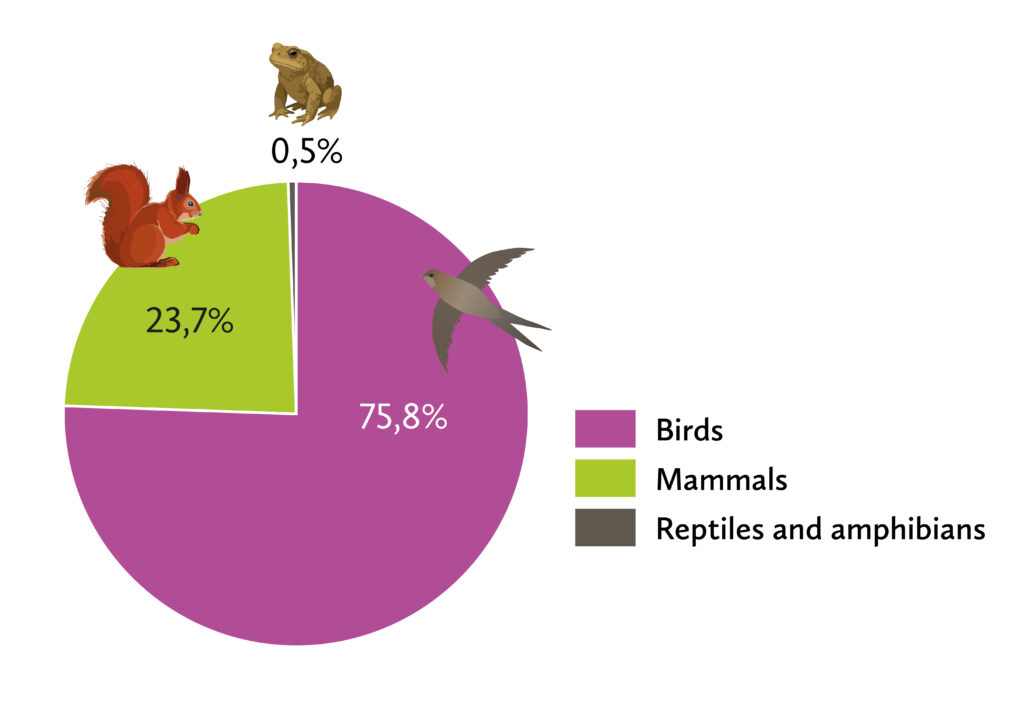
In 2025, the Wildlife Hospital treated 1,645 animals. The number of patients was very close to the record year of 2020, when approximately 1,700 animals were treated. In 2025, 76% of the patients were birds and 24% mammals.
Of the animals brought in, 99 individuals were released back into the wild immediately or within the first 1.5 days. Of the 634 animals requiring longer-term treatment, 422 recovered well enough to be returned to nature. In total, 67% of the treated animals received a new chance at life thanks to the Wildlife Hospital.
Most animals are brought in by members of the public from the Helsinki metropolitan area. In urban environments, the need for help is often caused by human activity, either directly — such as collisions with cars or windows — or indirectly, for example bites from free-roaming cats or dogs. Patients are often in poor condition; many birds brought in for treatment have broken wings or legs.
With permission from the ELY Centre, one common toad and one hooded crow originally admitted in 2024 were transferred to the Korkeasaari Zoo. In earlier years, animals such as the Eurasian eagle-owl have remained at the zoo under special permit. In such cases, the animals recovered well in care but would no longer survive independently in the wild.
What to do?
If you find an injured, weak, or orphaned wild animal, first keep your distance and observe it to make sure it truly needs help! For example, squirrel babies, young gulls, seals resting on the shore, and solitary hare leverets rarely require human assistance. Do not touch young animals before receiving expert advice.
The Wildlife Hospital’s website provides guidance and answers to frequently asked questions about wild animals.
Finland’s largest bird rehabilitation center
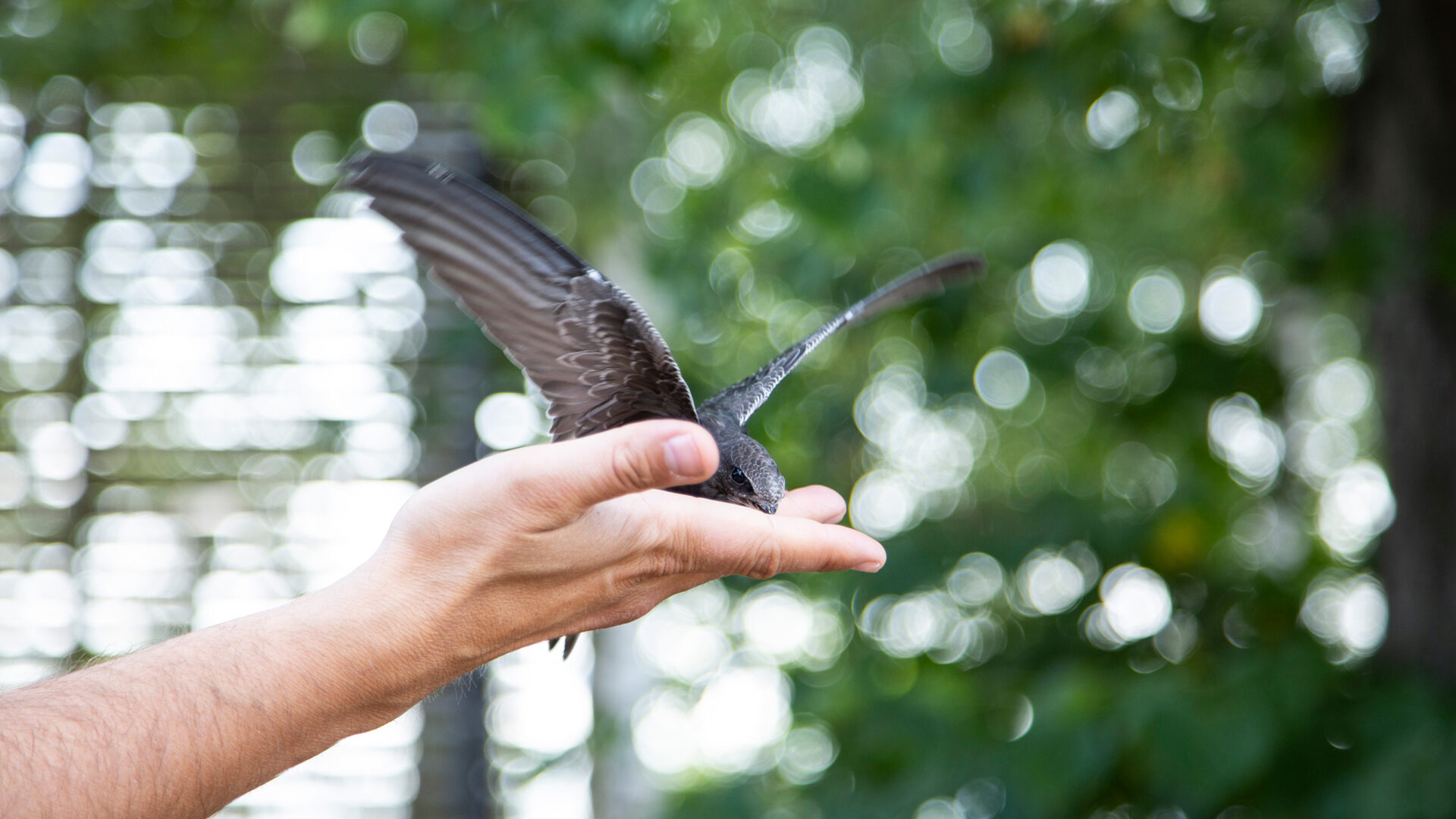
Birds are the largest patient group at the Wildlife Hospital: in 2025, nearly 80% of all animals brought in for treatment were birds. The most common species were the common swift and the common gull. Rarer species treated included the gadwall, great egret, common kingfisher, western marsh harrier, dunnock, tufted duck, corncrake broods, and hawfinch.
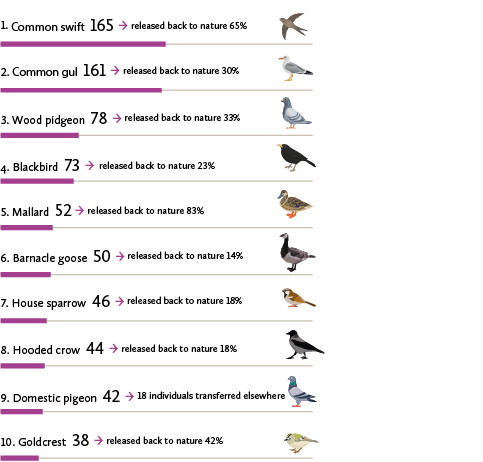
Avian influenza (H5N1 and H5N8) continued to occur among wild birds in 2025. Preparedness for avian influenza affects the Wildlife Hospital’s treatment practices, including protective measures and other precautions. Other diseases are also taken into account in hygiene and treatment protocols, such as cryptosporidiosis in squirrels and salmonella in hedgehogs.
The Wildlife Hospital’s website includes expert guidance and frequently asked questions about wild birds, including instructions on helping injured birds and assessing whether a lone bird chick needs assistance.
Korkeasaari Zoo’s Wildlife Hospital
Wildlife Hospital operates as part of the non-profit Korkeasaari Zoo Foundation. Most of the Wildlife Hospital’s funding comes from the foundation’s budget, which is financed, among other things, through admission ticket revenue from Korkeasaari Zoo. The City of Helsinki supports the foundation’s activities.
In addition, the Ministry of the Environment has generally granted the Wildlife Hospital an annual government subsidy to organize care for injured protected wild animals under the Nature Conservation Act. For 2026, this subsidy is 15% smaller than it was for 2025. Roughly estimated, the subsidy covers about 15% of the Wildlife Hospital’s annual total expenses.
You can support conservation work by making a donation. Private donations, both large and small, are an important and valued part of the Wildlife Hospital’s funding, and all donations are directed in full to the Wildlife Hospital’s operations. They directly support the treatment and rehabilitation of animal patients.
Thank you to everyone who supports the Wildlife Hospital’s work!
Other patients
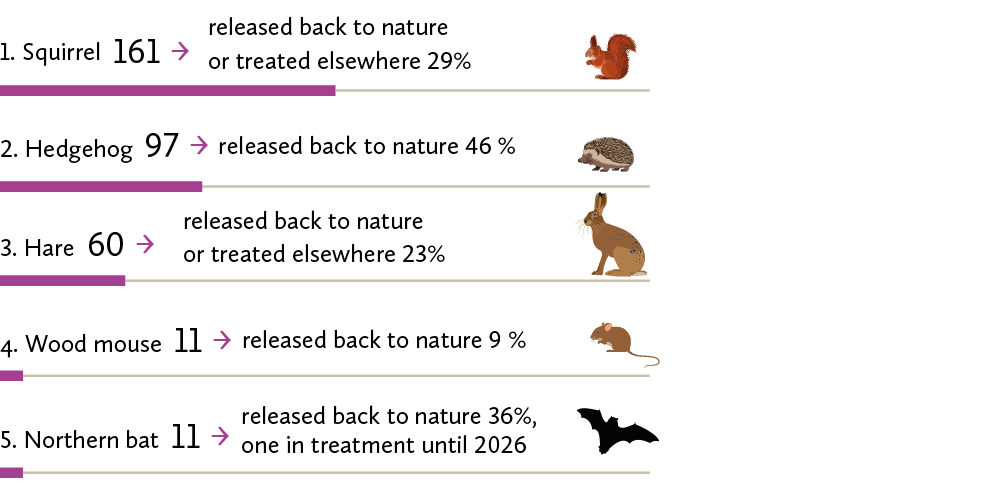
Among mammals, the most common animals admitted for treatment were squirrels and hedgehogs. Rarer cases included two lynxes, a whiskered bat, a harvest mouse, and three long-eared owls. Three grey seal pups were also treated, two of which were successfully released back into the Baltic sea.
In addition to birds and mammals, the hospital treated two common toads and one common frog. The Wildlife Hospital also received four unidentified geckos and frogs that had accidentally arrived in Finland from abroad in travelers’ luggage.
Donate