Published 23.04.2026
Three wolverine cubs are growing up at Korkeasaari Zoo
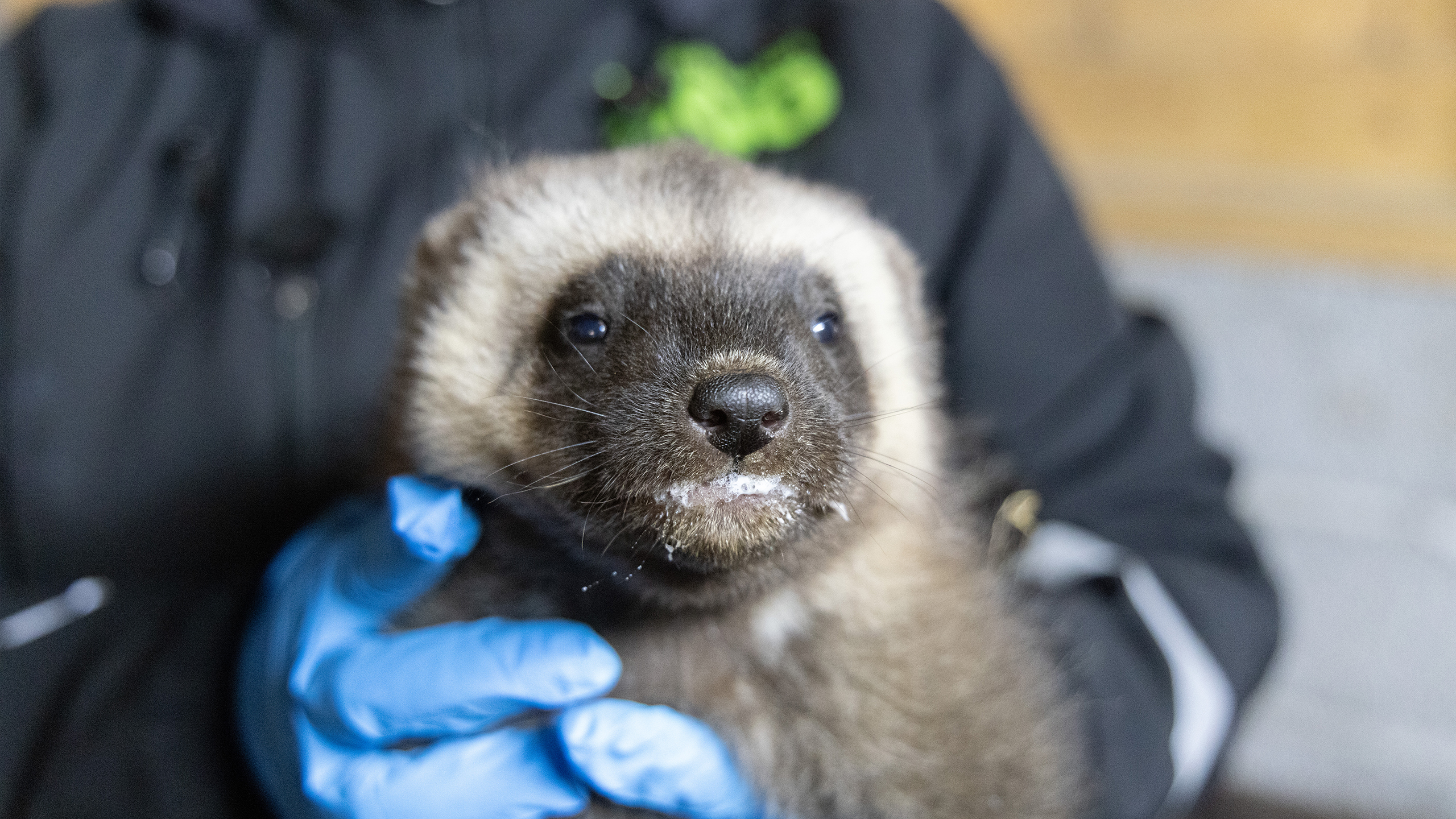
The cubs’ 12-year-old mother is a record-old first-time parent. The successful birth was therefore a joyful surprise, even though the wolverines had been known to mate. The last time wolverine cubs were seen at Korkeasaari Zoo was nearly 20 years ago.
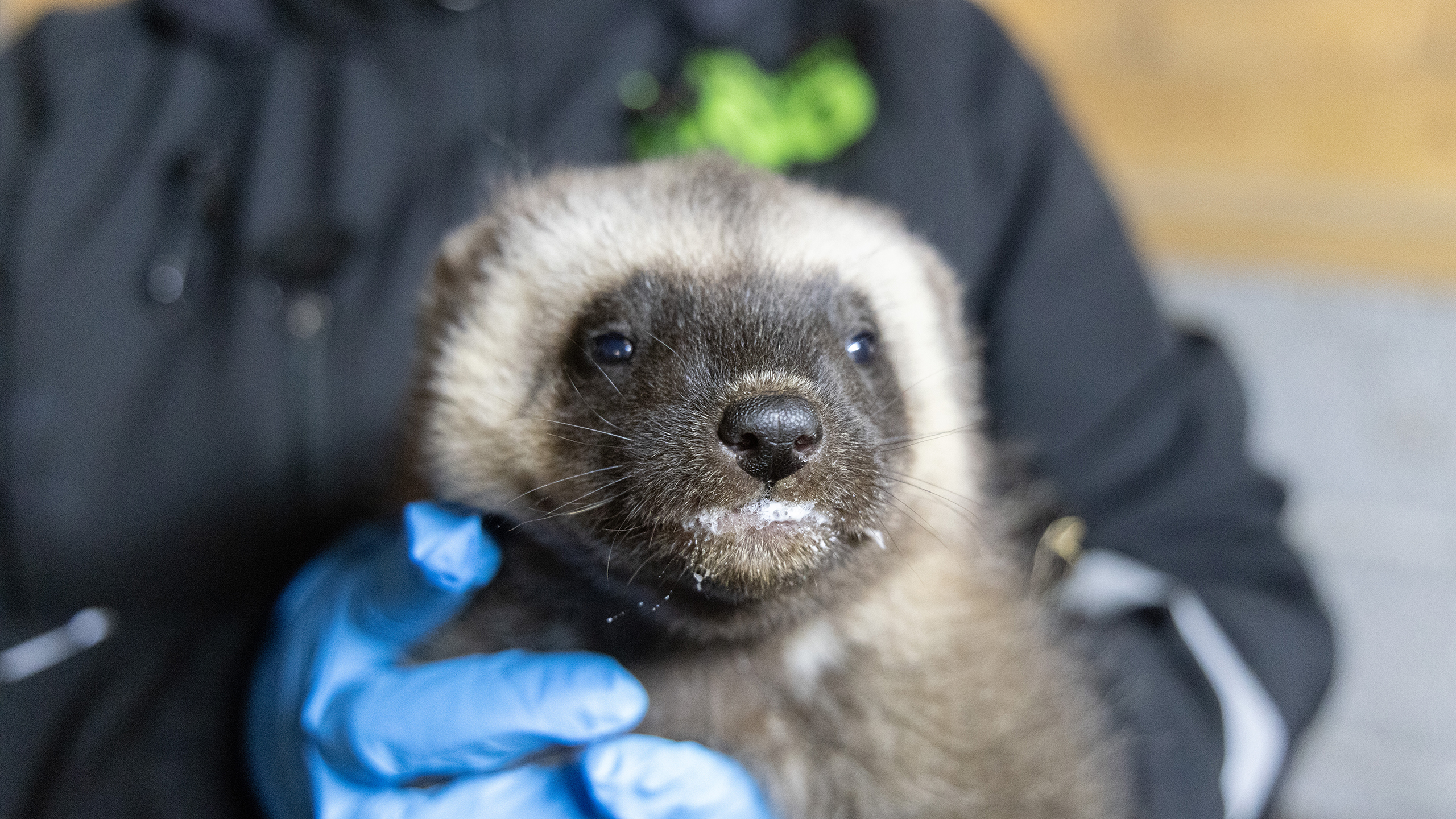
Three healthy wolverine cubs are growing up at Korkeasaari Zoo. What makes the case particularly exceptional is that their mother, Pinja, is a 12-year-old first-time mother – an unusually advanced age for giving birth for the first time. Over the years she has had several potential mates and mating has been observed, but only now the reproduction has been successful.
The cubs were born in early March. Their father initially spent time in the same enclosure as Pinja and showed interest in the vocal cubs. He even went into the den to look at them, but Pinja did not appreciate the disturbance. For this reason, the zookeepers moved the father to a different enclosure to ensure the mother could care for her young in peace. The keepers themselves have monitored the cubs’ first weeks of life only via a nest camera. They have approached the den just once a day to bring food to the mother.
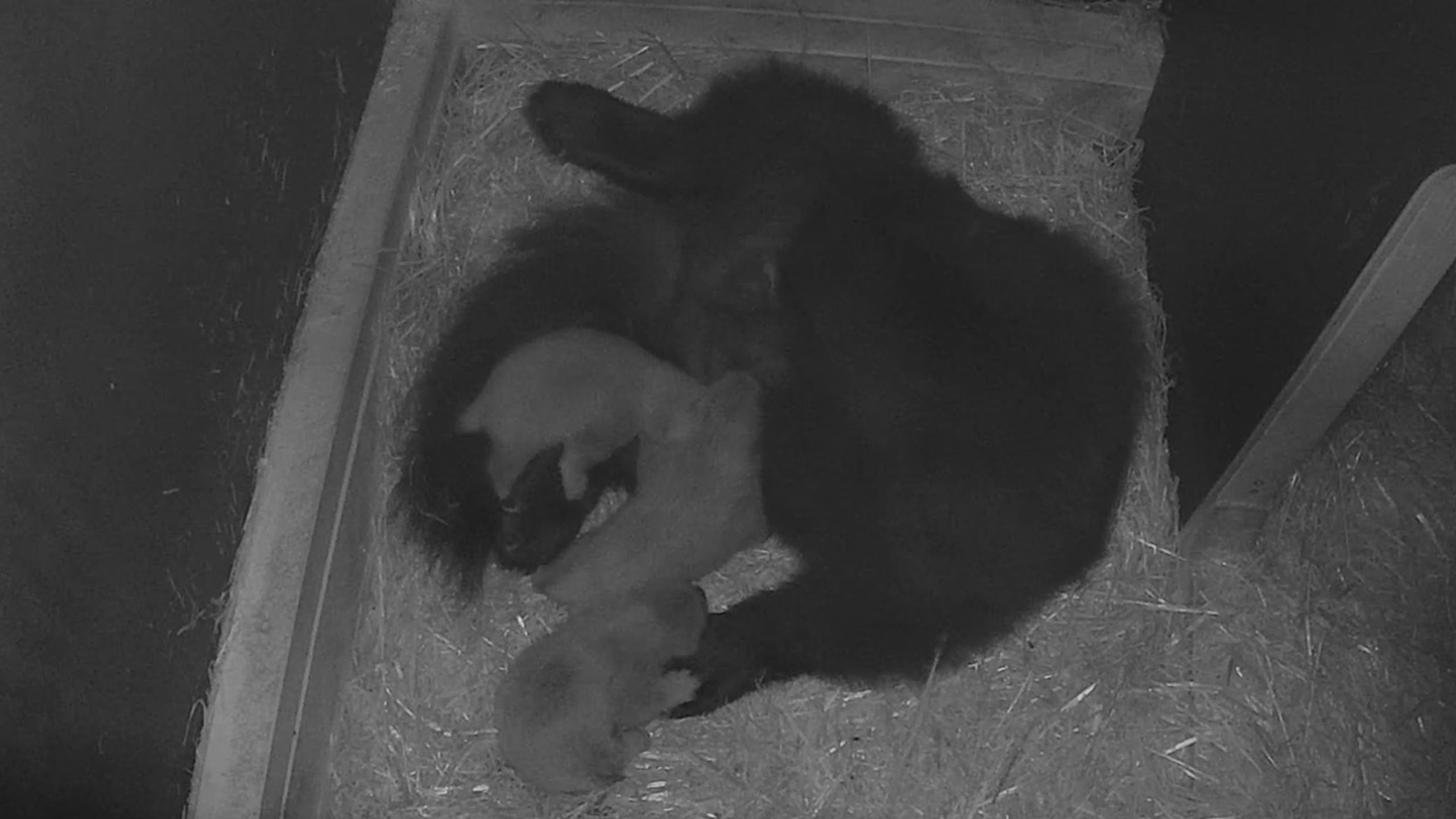
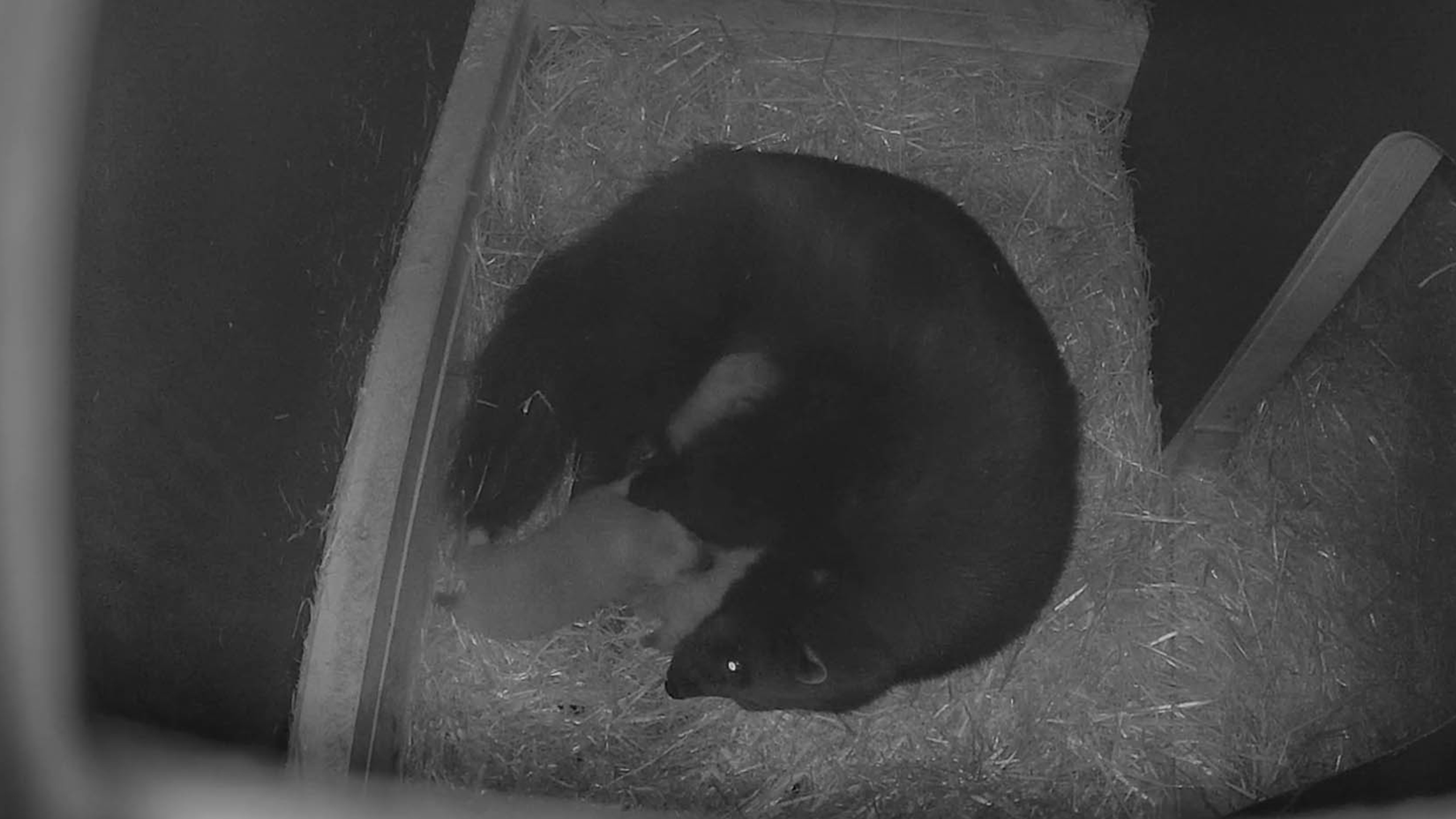
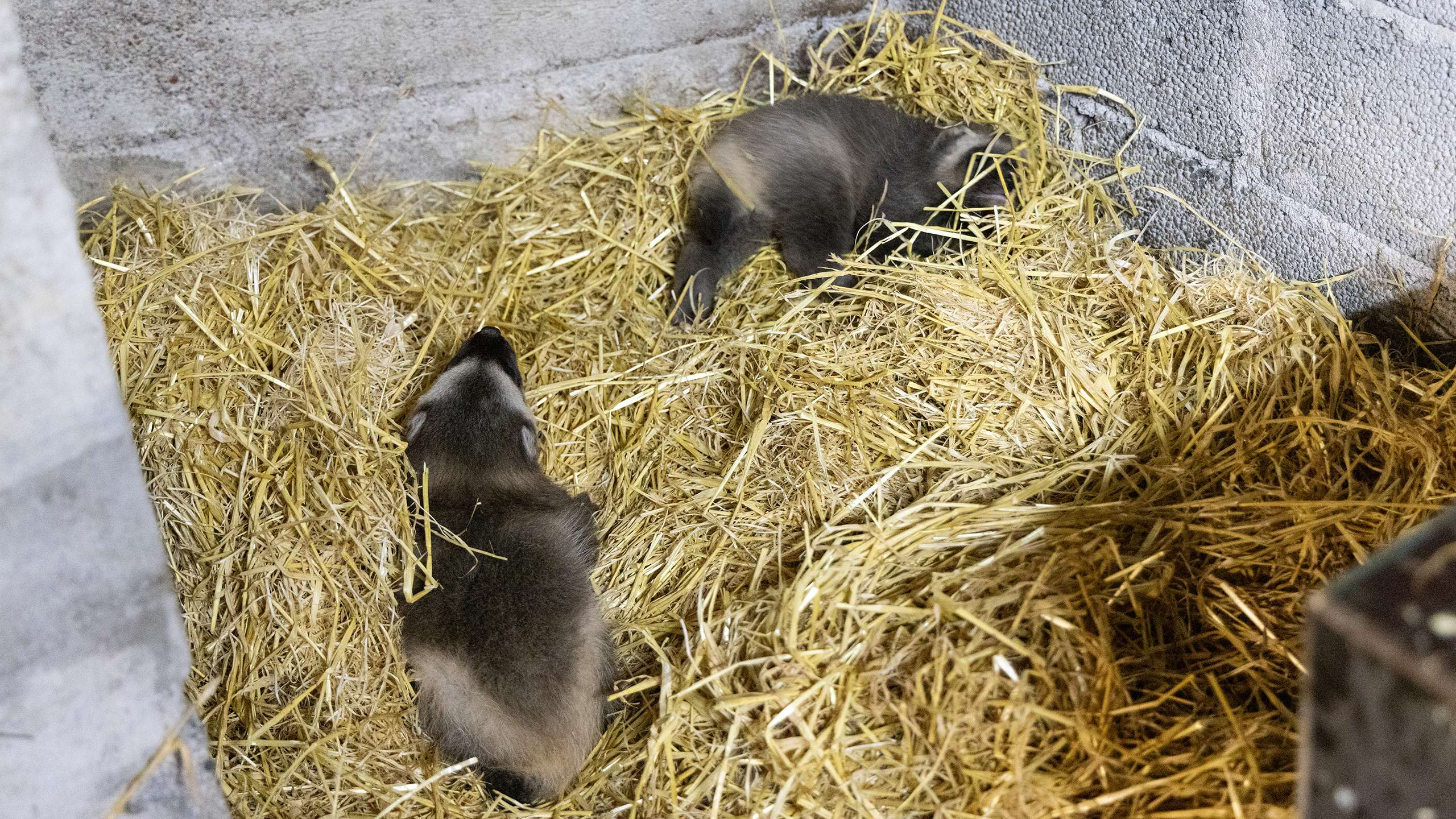
“Pinja has been given complete peace to take care of her cubs – we haven’t even breathed in that direction! There’s been quite a few tears of joy, because the pair finally managed to reproduce and everything has gone so well,” describes zookeeper Susan Nuurtila.
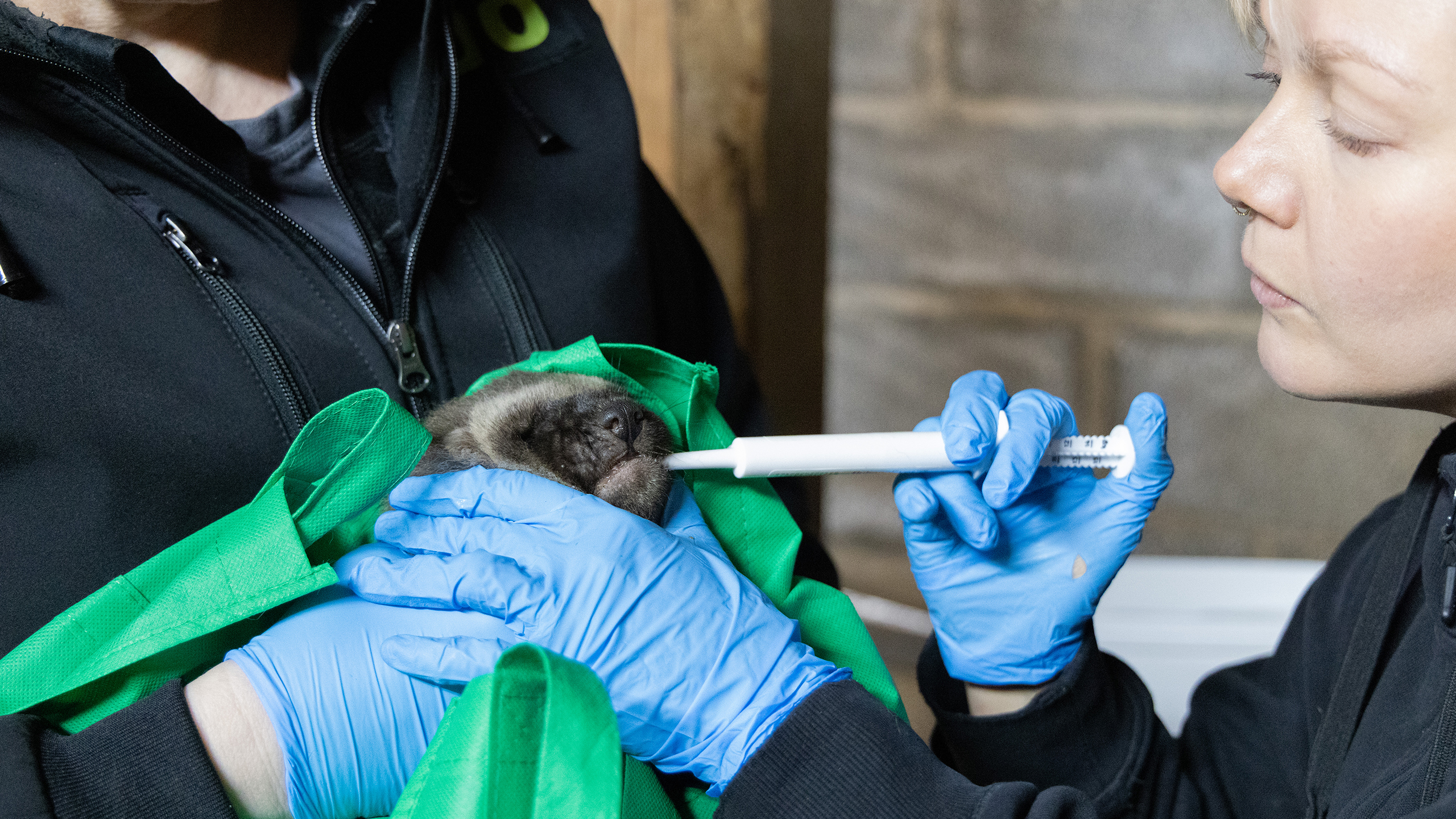
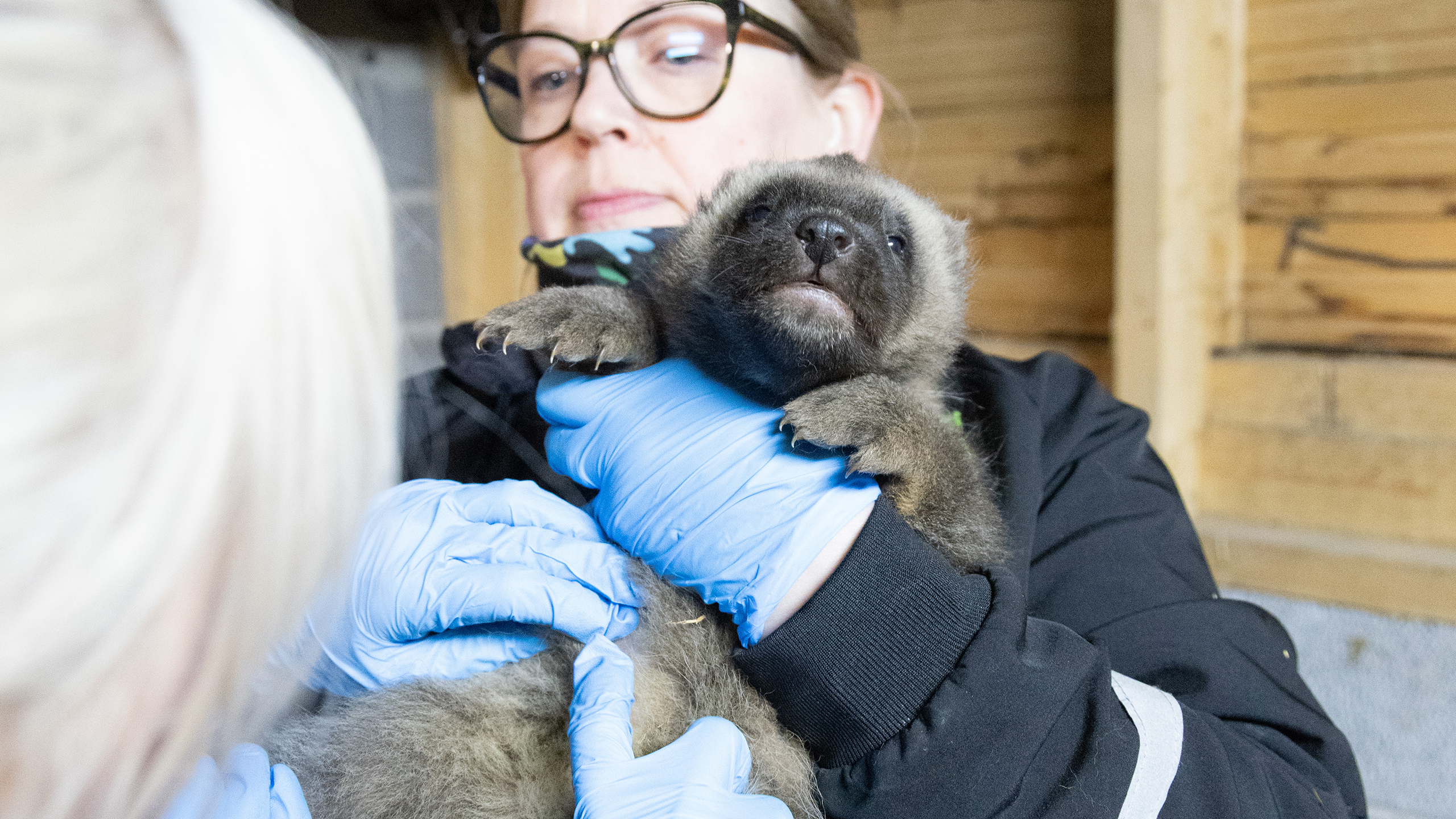
Now the keepers are already able to relax a little, as the cubs have had their first vet check-up. Korkeasaari Zoo’s veterinarians weighed the cubs, gave them deworming medicine, and implanted microchips. At the same time, the cubs’ sexes were determined: two males and one female. The keepers have already been thinking of names for them, all starting with the letter S this year.
Wolverine cubs are born with white fur. Gradually their coats begin to turn brown, and at around two weeks of age, characteristic markings start to appear on their faces, legs, and tails. Photos have also been taken of the cubs’ individual color patterns to help identify them later.

The mother is still nursing the cubs, which are not yet walking but crawling. Within a few weeks, they are expected to begin peeking more actively outside the den and tasting solid food. Visitors to Korkeasaari Zoo should not expect to see the cubs just yet, as they still have plenty to explore in the sheltered back areas of the enclosure. By summer, however, there will likely be lively activity in the wolverine habitat.
The last time wolverine cubs were seen at Korkeasaari Zoo was nearly 20 years ago. There are around 120 wolverines in European zoos, and the species is part of the EAZA Ex-situ Programme (EEP). When the cubs grow up and it is time for them to leave their mother, the program’s coordinator will find them new homes in other participating conservation zoos.