Skip to content

Our conservation projects

In addition to conservation and environmental education carried out at the zoo, Korkeasaari Zoo also contributes to conservation efforts around the world. Much of this work involves financial support: we have donated hundreds of thousands of euros to the conservation of species in their natural habitats. You too can support these projects by making a donation! Active projects are listed in alphabetical order.

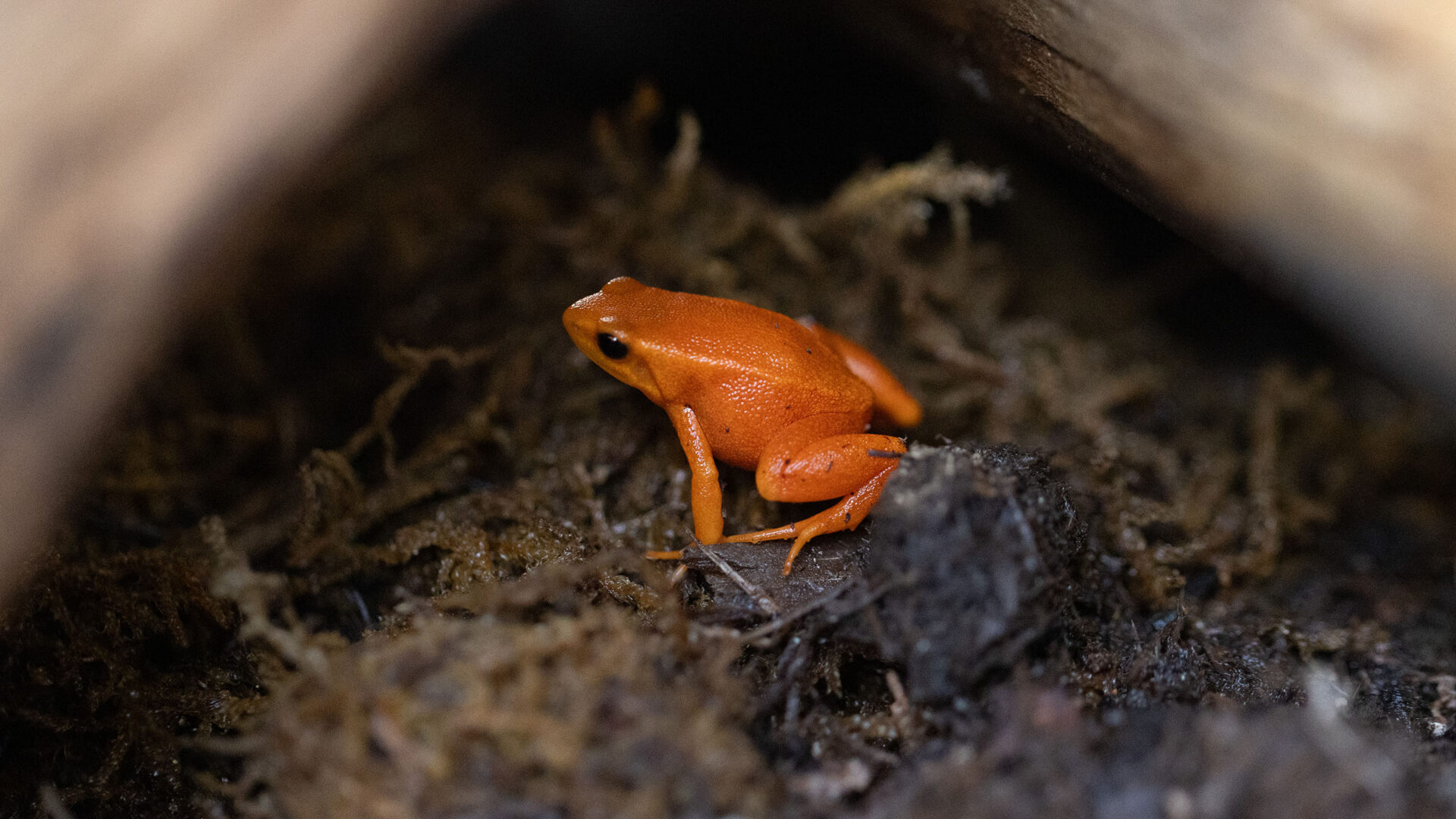
Amphibian conservation

The world’s amphibians are facing a wave of extinction. Many species, orders and even taxonomical families are disappearing from the wild at an unprecedented rate. Having survived the struggle for existence for more than 360 million years, amphibians are in dire straits: at least a third – or at worst half – of the world’s 6 000 amphibian species will be lost in the near future. The project has supported frog conservation in Finland and around the world.
Kultamantella Kultamantella

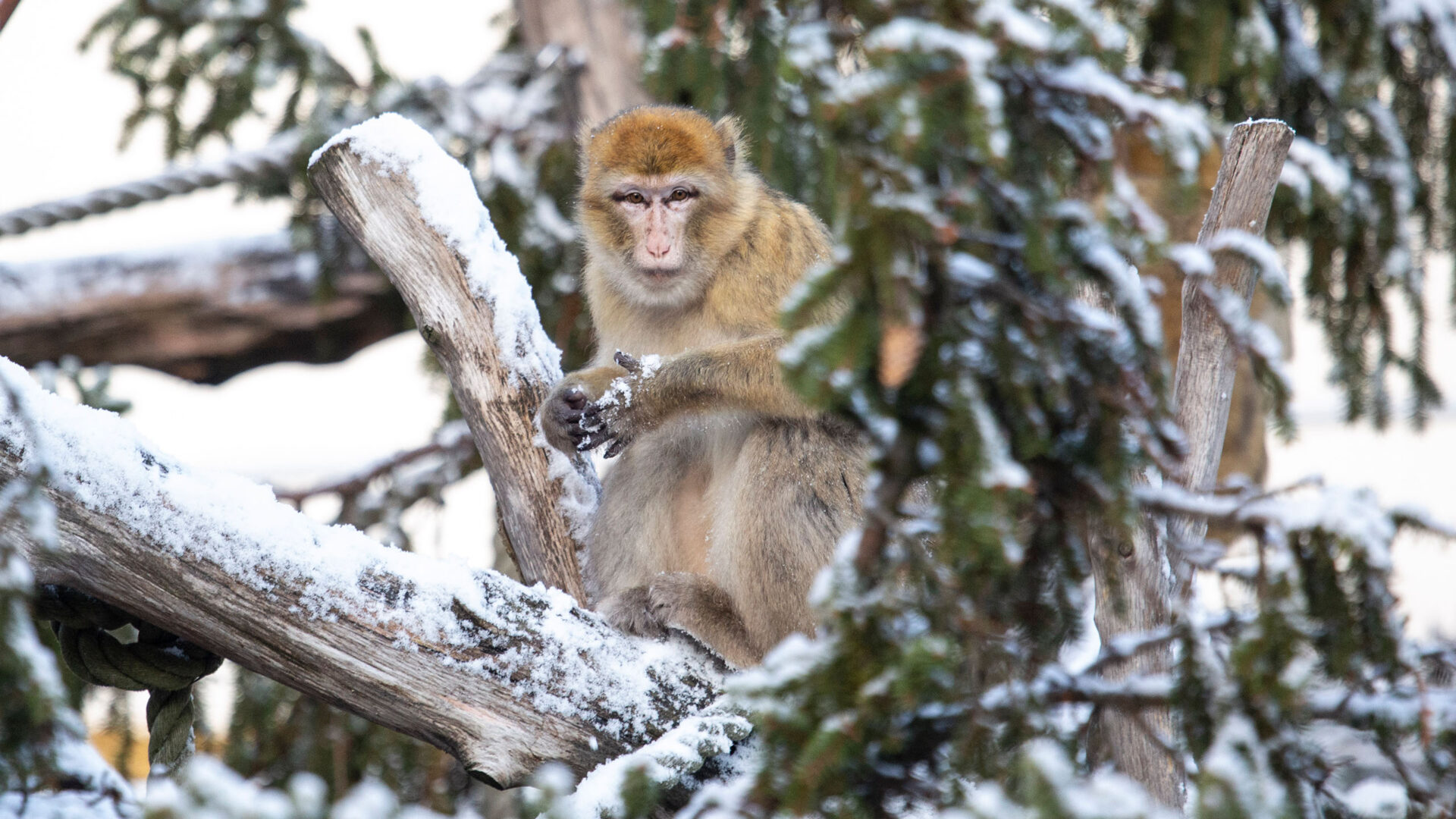
Barbary macaque conservation

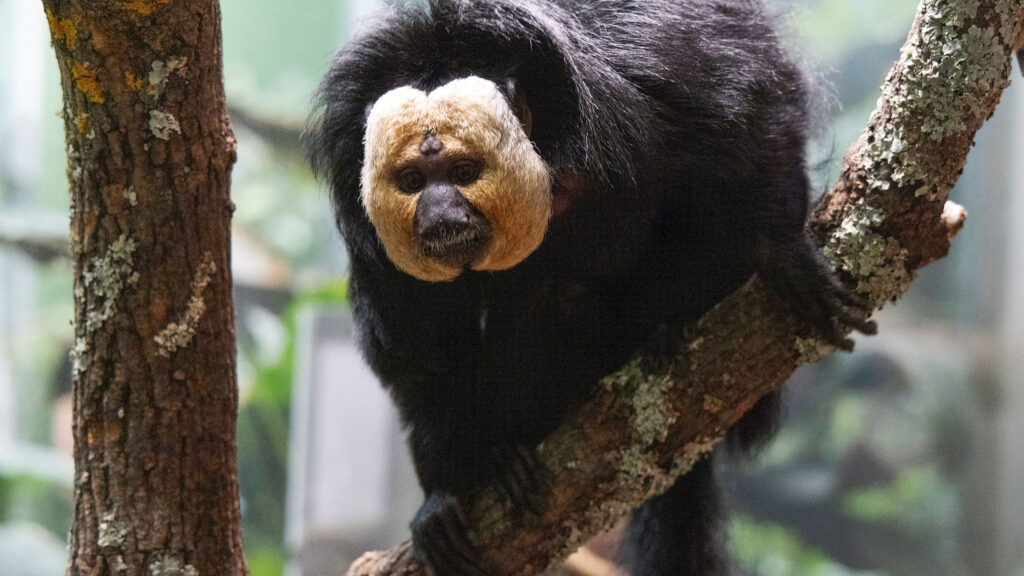
Barbary macaques live mainly in the mountain forests of Morocco and northern Algeria, with a small population in Gibraltar. The species is now classified as critically endangered. Our conservation partner in the project is Barbary Macaque Awareness and Conservation. Funds raised at Korkeasaari Zoo will be used to finance field research on wild monkey herds and to train local people, among other things.

Berberiapina Berberiapina

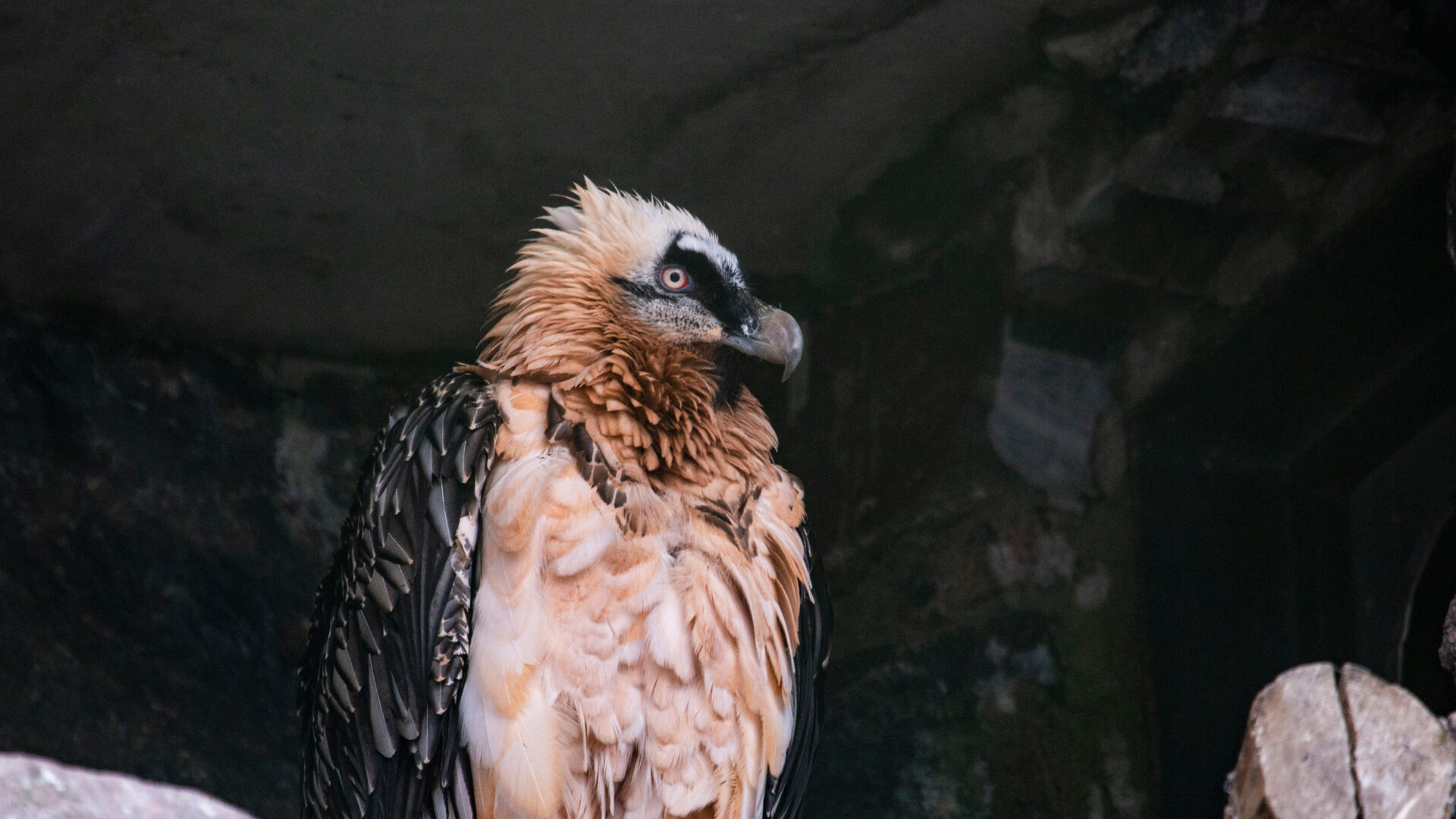
Bearded vulture conservation

Vultures are the flagship species of mountain ecosystems. By eating carcasses, they prevent the spread of infectious diseases and recycle the carcasses left in sparsely populated areas into the natural cycle. But in many areas, they are threatened. Our conservation partner in this project is the Vulture Conservation Foundation. Their work focuses in particular on reintroductions, promoting successful breeding, research on vultures in the wild and the prevention of poisoning. Bearded vultures that have hatched in Korkeasaari Zoo have also been released into the wild.

Forest reindeer conservation

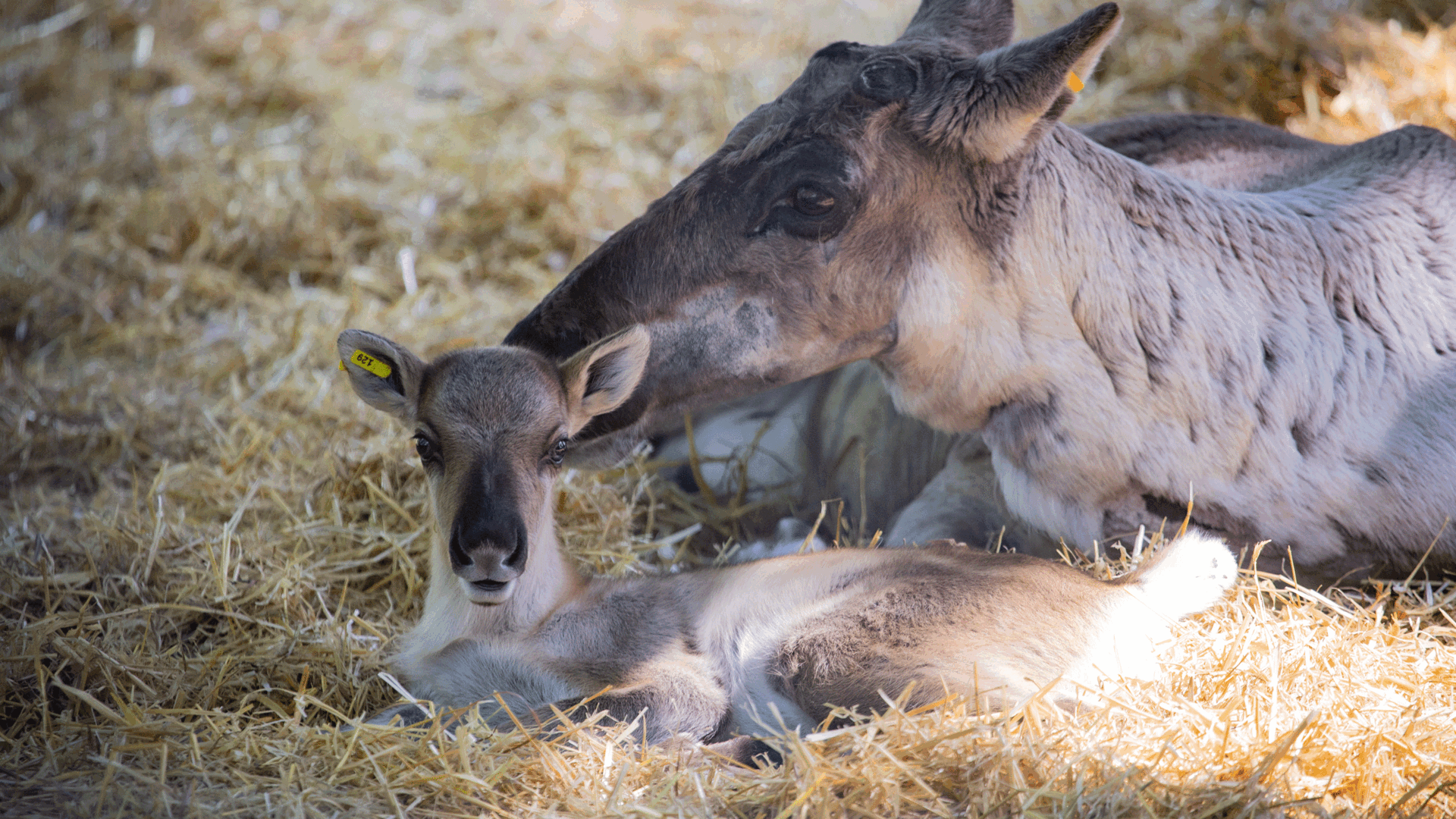
European forest reindeer once lived throughout the forested areas of Finland, until they were hunted to extinction in the country in the early 20th century. One of the key objectives of the LIFE projects funded by the EU and coordinated by Metsähallitus has been the reintroduction of forest reindeer into the wild in Finland. Forest reindeer born at Korkeasaari Zoo have been used as parent animals in acclimatisation enclosures, and they have also been released into the wild.

Golden lion tamarin conservation

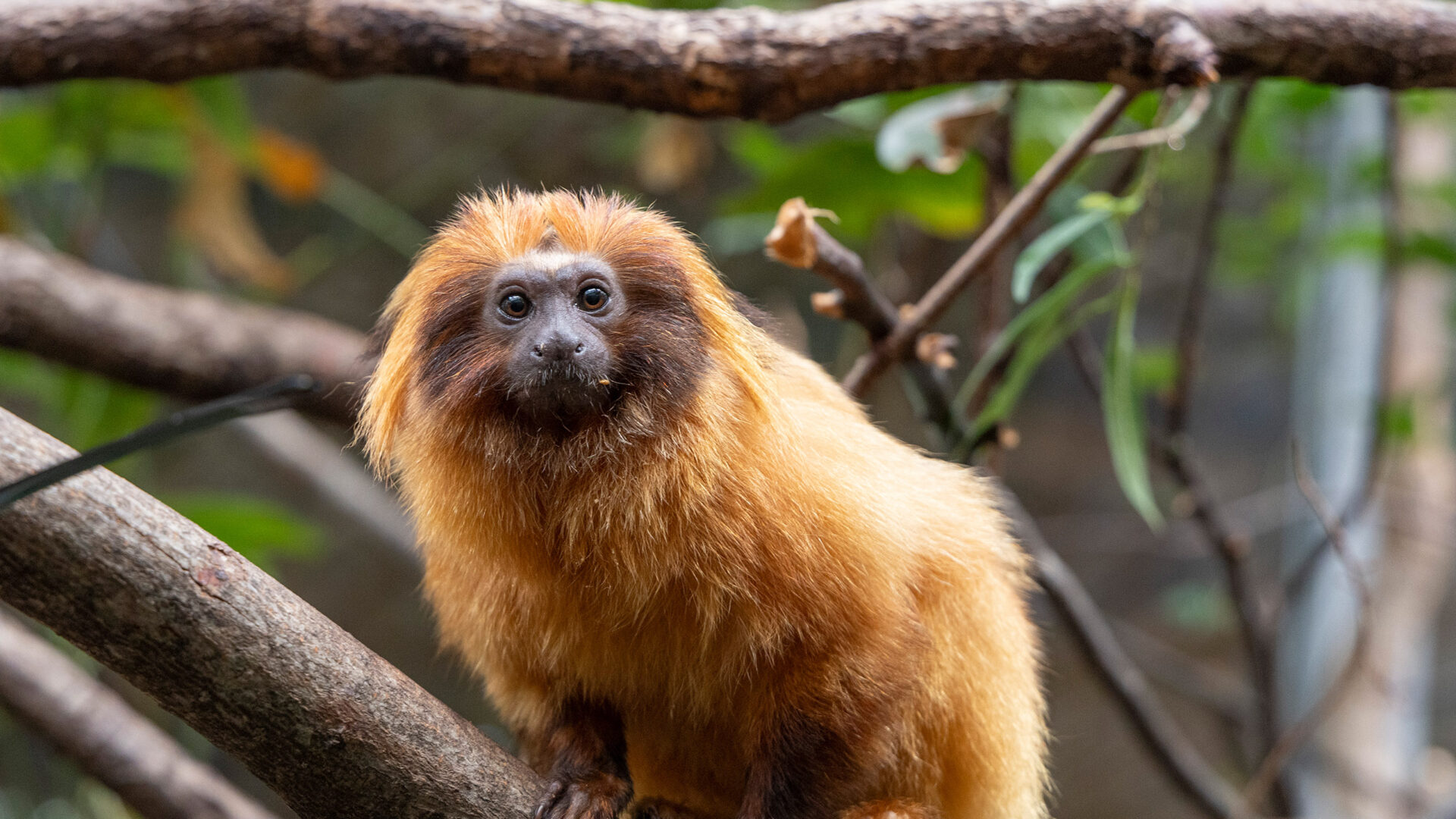
The golden tamarin is an endangered small monkey. One of the main threats to the species is logging in the rainforest, which is further reducing and fragmenting its habitats. Korkeasaari Zoo and Jungle Juice Bar have joined forces to promote the conservation of the golden lion tamarin. Our conservation partner in this project is Save the Golden Lion Tamarin, and the funds raised at Korkeasaari Zoo will be used to restore the species’ habitats.

Kulan conservation

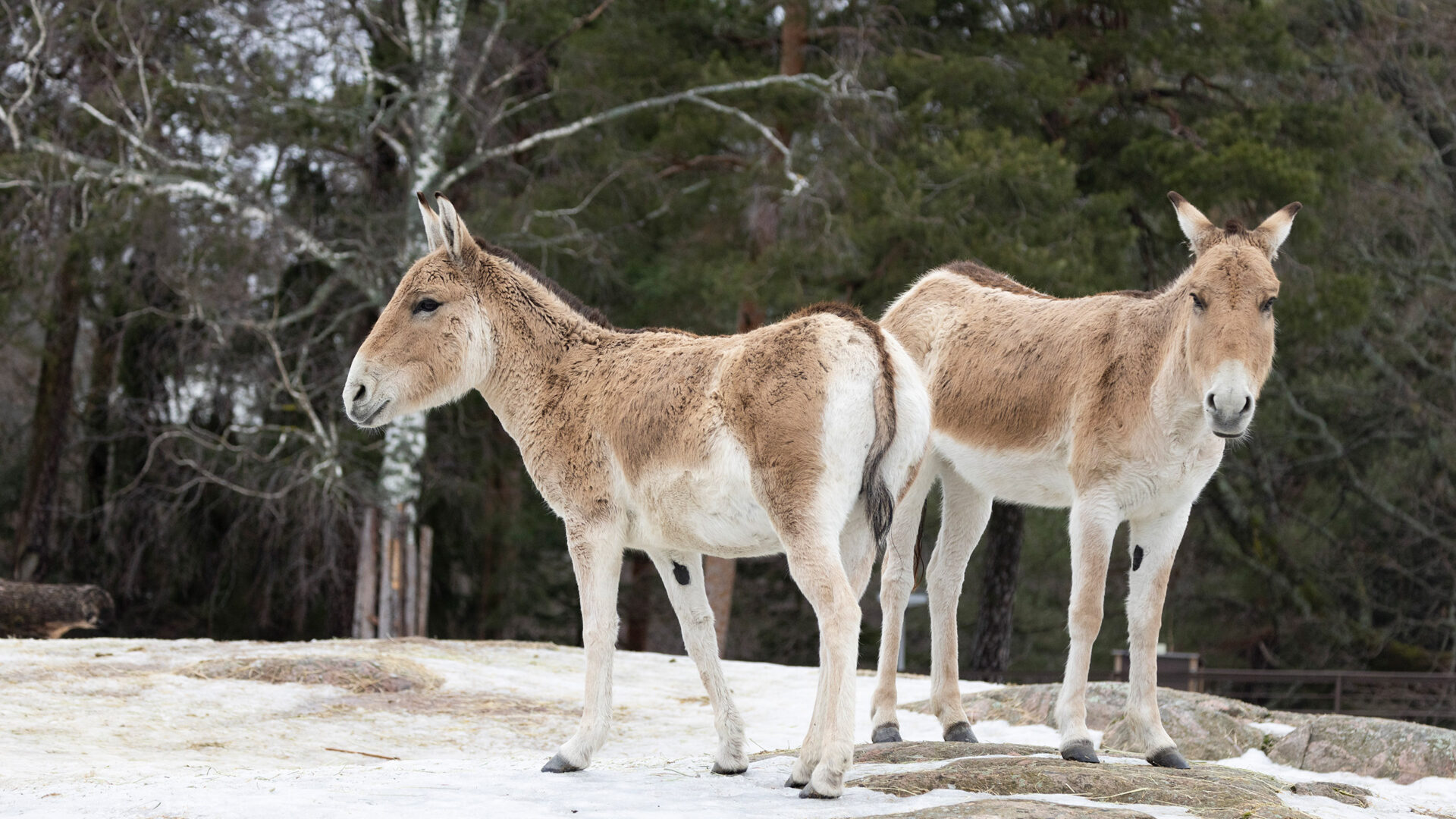
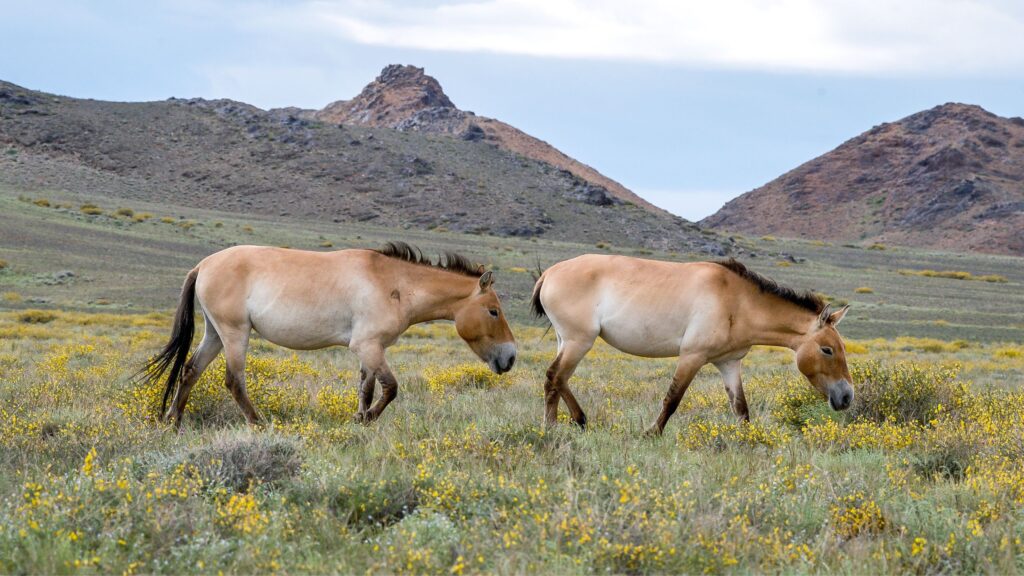
Over the last few decades, the number of Asiatic wild asses has plummeted and the species is classified as near threatened, while the subspecies kulan is classified as endangered. Our conservation partner in this project is the Frankfurt Zoological Society. The project will strengthen the natural population of kulans in Kazakhstan’s Altyn Dala conservation area by restoring the steppe, translocating the species, studying its habitats and natural migratory routes, and influencing the local population through environmental education.

Pallas’s cat conservation

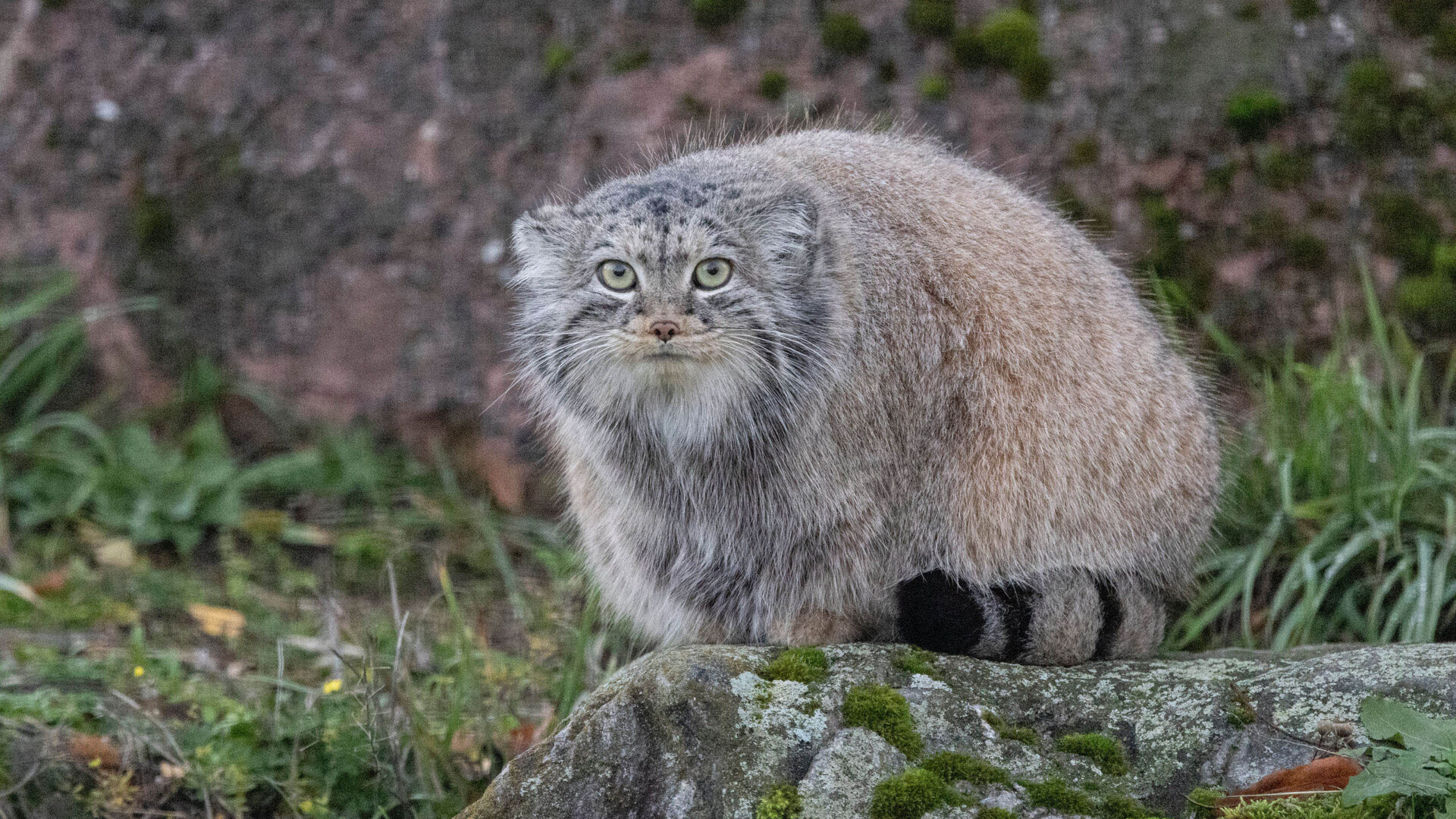
The Pallas’s cat or manul is a small cat that lives over a wide area of the Asian steppes. Their numbers are declining, although its endangerment status is still classified to be least concern. Korkeasaari Zoo has supported Pallas’s cat conservation work since 2014. Our conservation partner in this project is Pallas’s Cat International Conservation Alliance. The projects involve studying the species in their habitats, including using camera traps. An important part of the project is also the involvement of the local population in the conservation work, and information about the species is provided to local herders, schoolchildren and village communities.

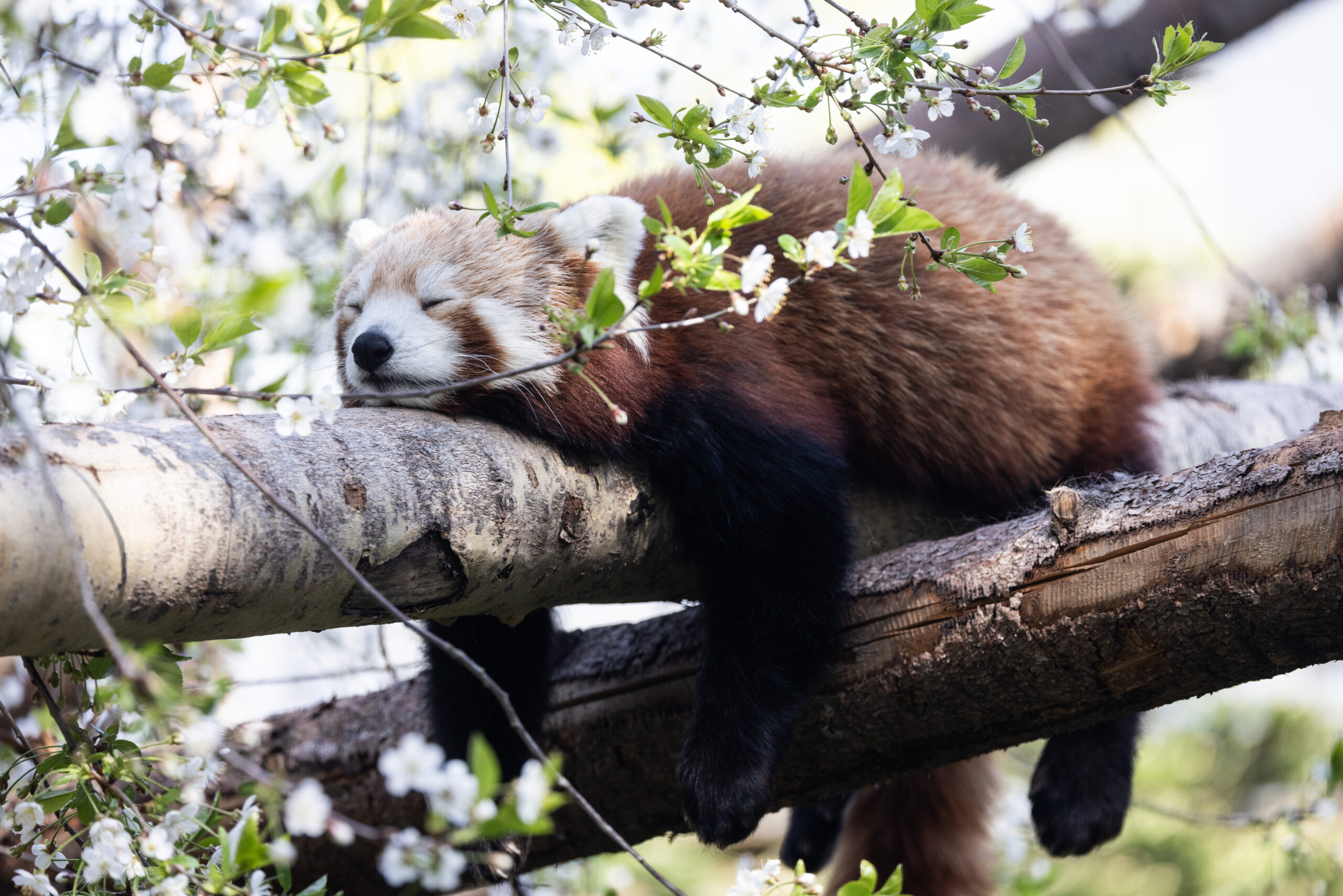
Red panda conservation

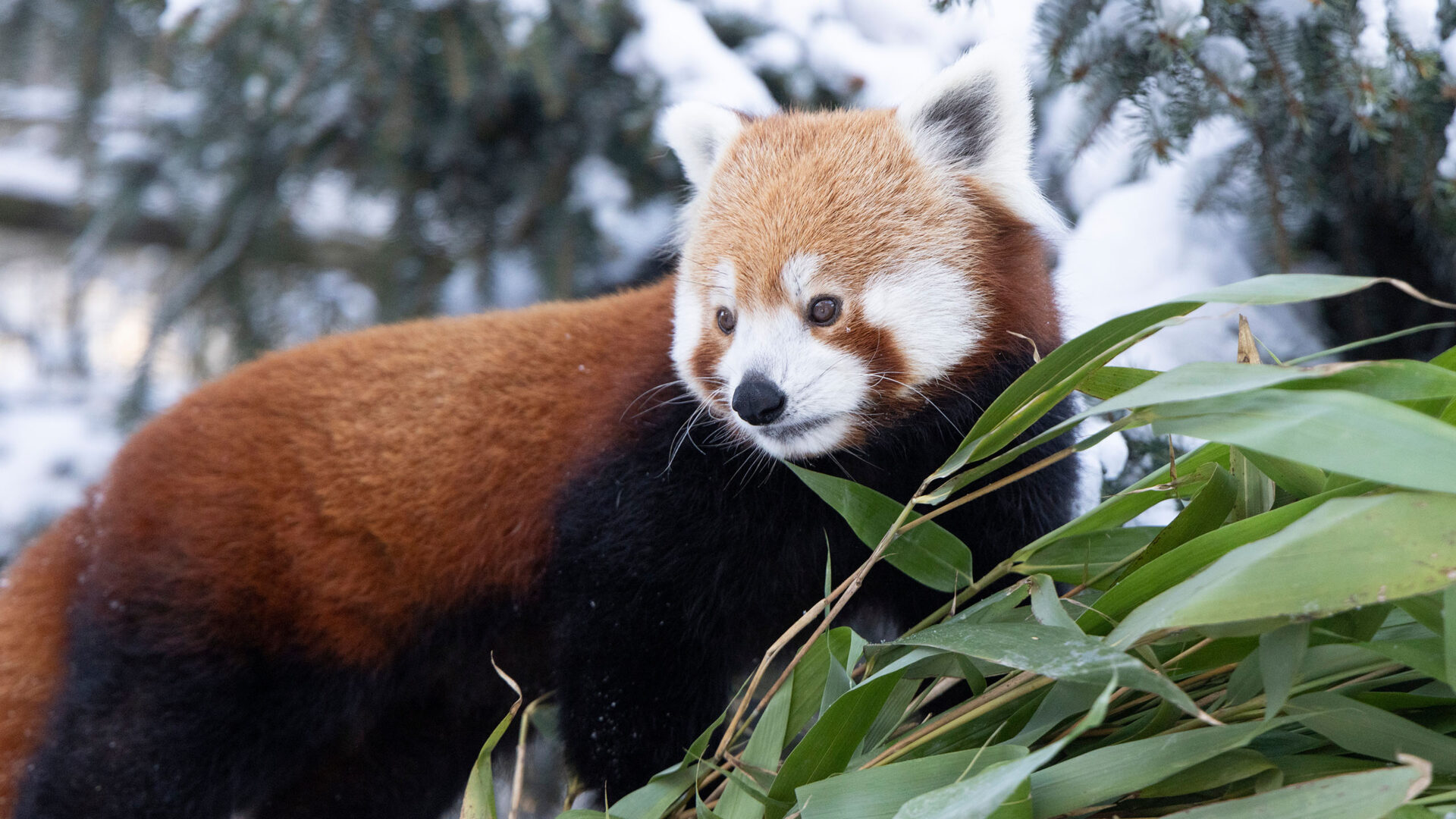
Red pandas live in the Himalayan mountain range at an altitude of around two to four kilometres. Their numbers have fallen by about 50% in the last two decades and they are endangered. Our conservation partner in this project is the Red Panda Network, which uses conservation funds to establish new protected areas, conduct research, educate people and hire rangers.

pikkupanda pikkupanda

Saimaa ringed seal conservation

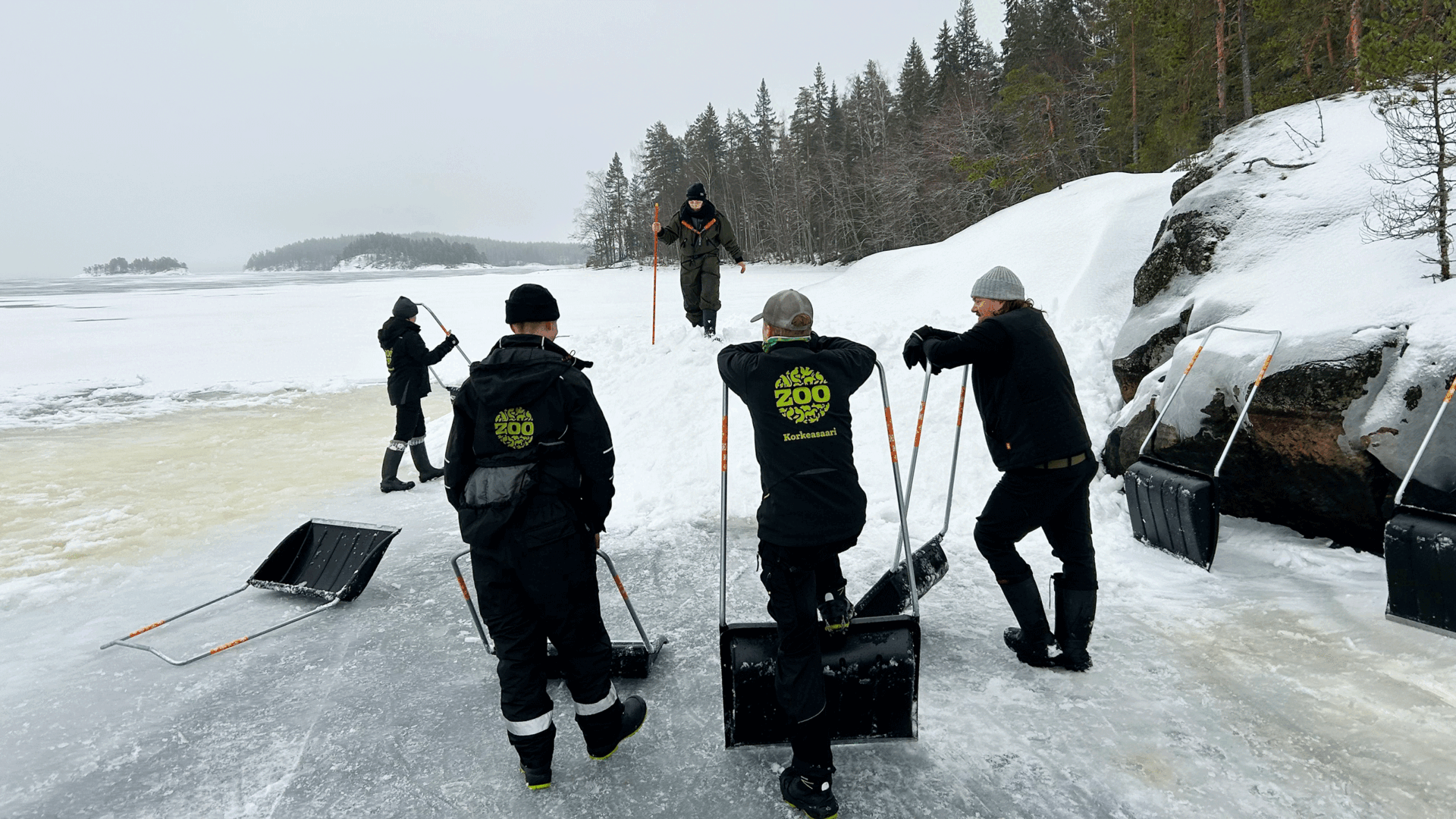
The Saimaa ringed seal is one of the most endangered seals in the world. In the early 1900s, it was considered a harmful animal for fishing and was even paid a kill price. The population declined until the 1980s, when there were just under 200 seals left. Korkeasaari Zoo will channel all the money raised into The Finnish Association for Nature Conservation’s work to protect the Saimaa ringed seal on the lake Saimaa in Finland. The Korkeasaari Zoo staff has also participated in the plowing artificial nests for the selas, which is coordinated by Metsähallitus.

Pääsiäissaari Pääsiäissaari

Snow leopard conservation

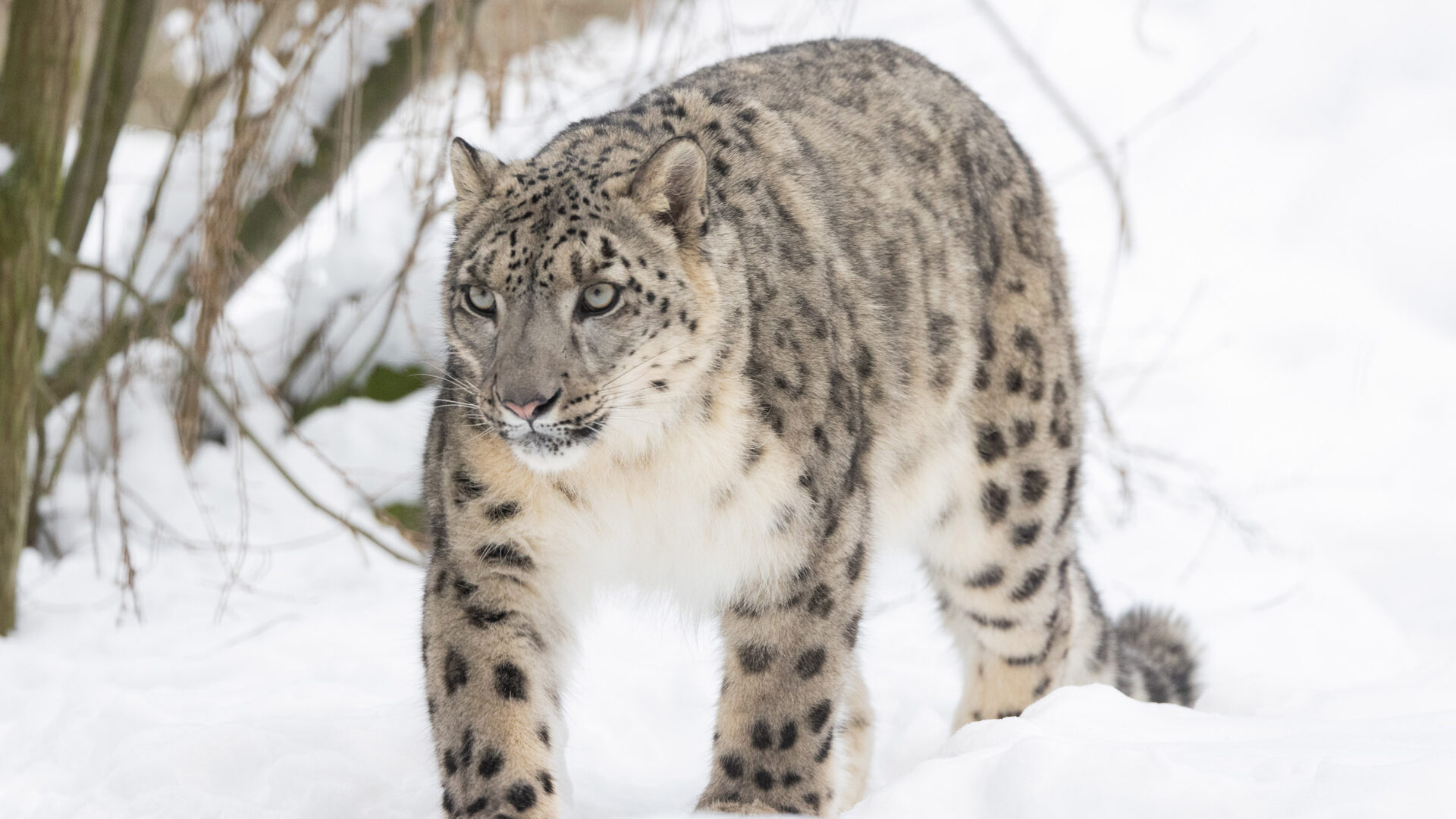
Snow leopards live in the Himalayas in 12 different countries. The species is classified as threatened. In 2012, Korkeasaari Zoo became a member of the Snow Leopard Trust to support the conservation work for wild snow leopards, and the organisation is our conservation partner in the project. Among other things, the project has supported gps collaring to support research of the species.

Tabby brown conservation

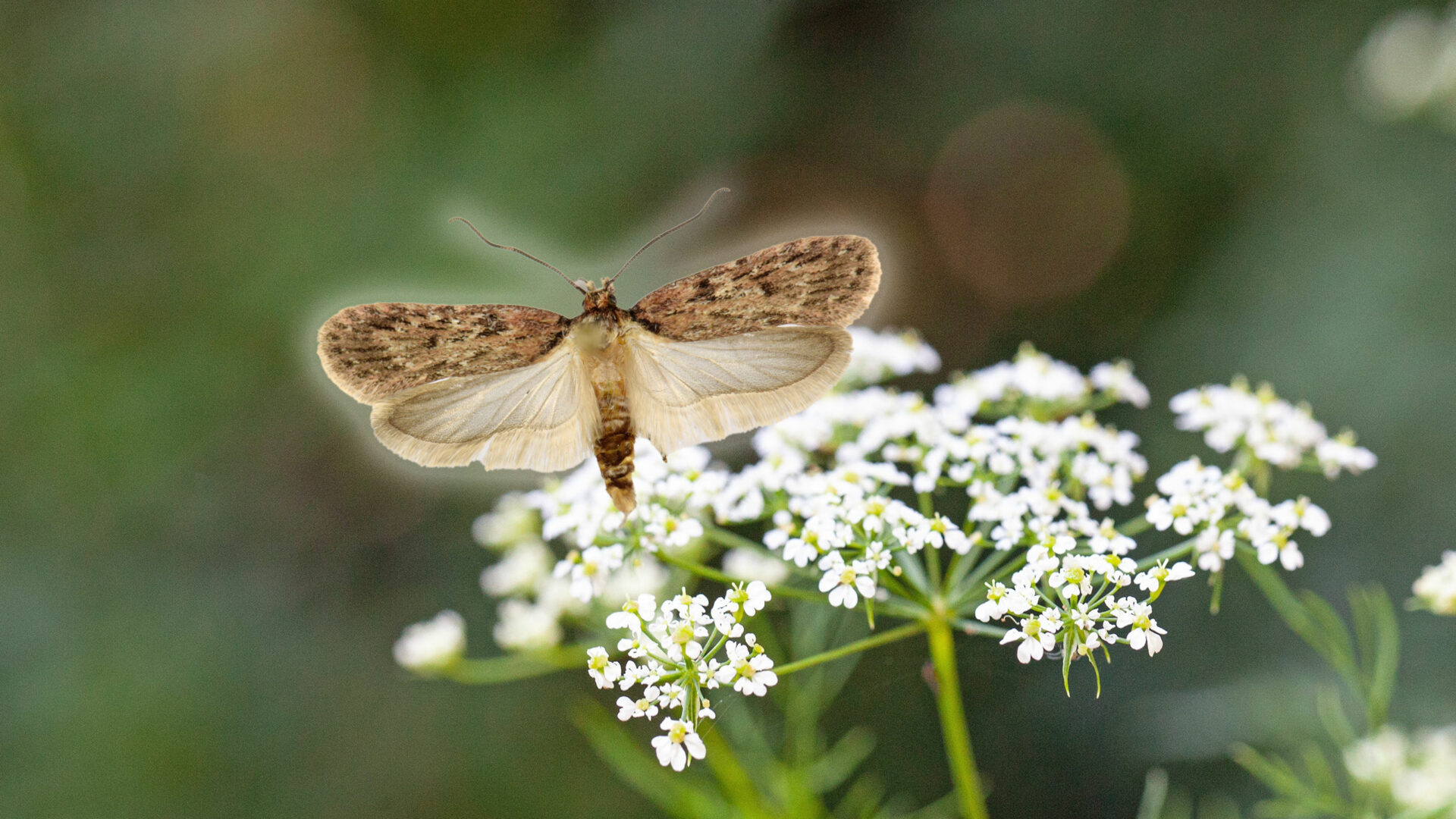
Tabby brown (Depressaria chaerophylli) is a critically endangered brown-and-mottled moth in Finland and a species requiring special protection under the Nature Conservation Act. There are only three known sites where it occurs in Finland: Helsinki, Inkoo and Kaarina. The aim of the project is to ensure that there are sufficient rough chervil stands in Helsinki to provide food for the larvae of the moth. The conservation measures carried out by Korkeasaari Zoo take place within the zoo grounds.

Wild camel conservation

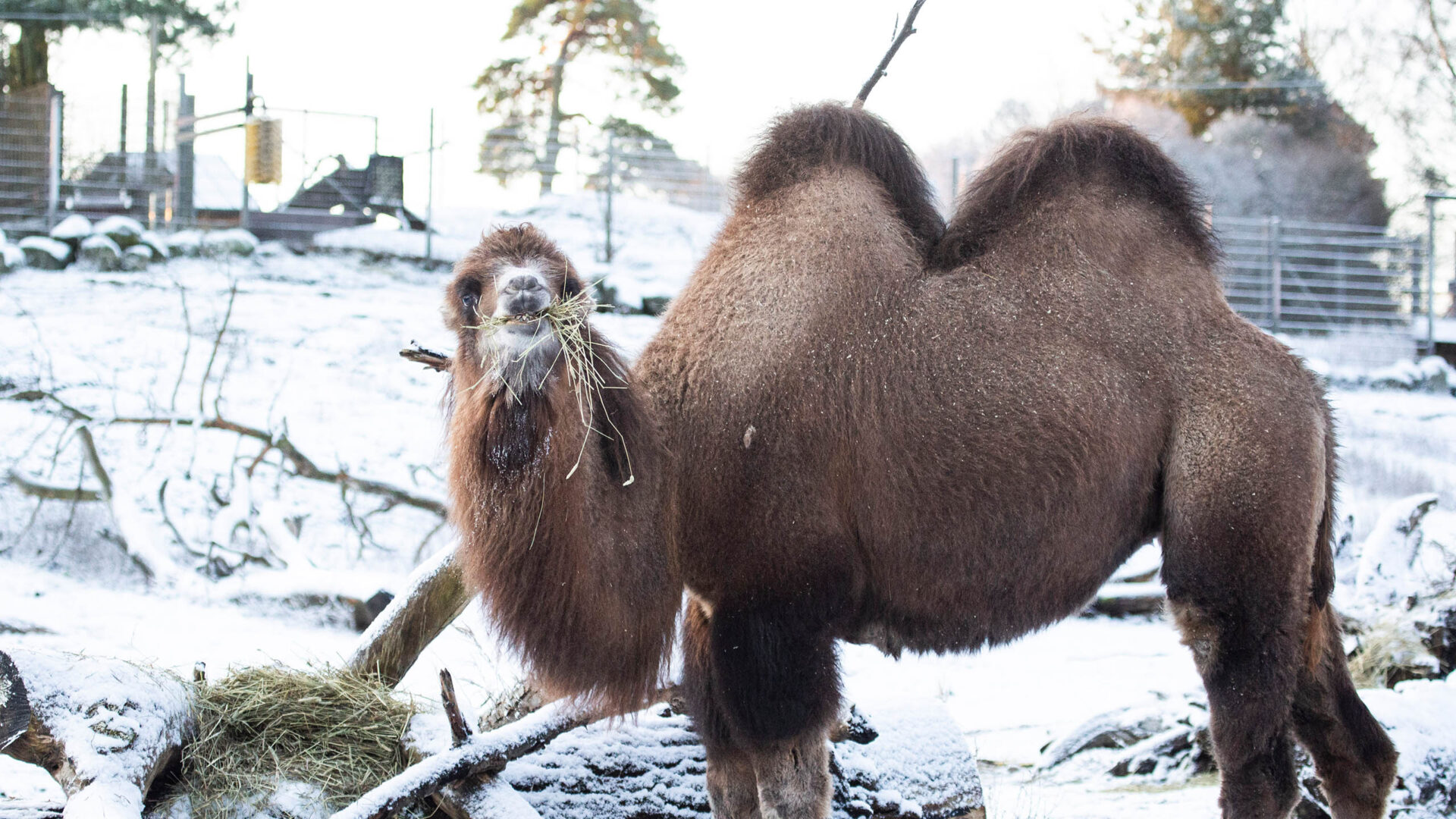
The critically endangered wild camels live only in a small area of the Gobi Desert in China and Mongolia, less than a thousand individuals in total. Unauthorised mining and oil pumping are reducing the camels’ habitat, and illegally built roads are destroying their centuries-old routes between desert feeding and drinking grounds. Our conservation partner in this project is the Wild Camel Protection Foundation. Among other things, the organisation carries out population assessments of the species using camera technology, and restores the watering places and habitat vegetation used by the animals.

Past projects

Korkeasaari Zoo’s conservation projects address the current needs of specific species or habitats. When the objectives have been achieved or the operating environment changes, it is time to assess the need for the project and decide on its continuation. Some projects are designed from the outset to be temporary or to end in a specific year once their objectives have been achieved.

AMUR-project

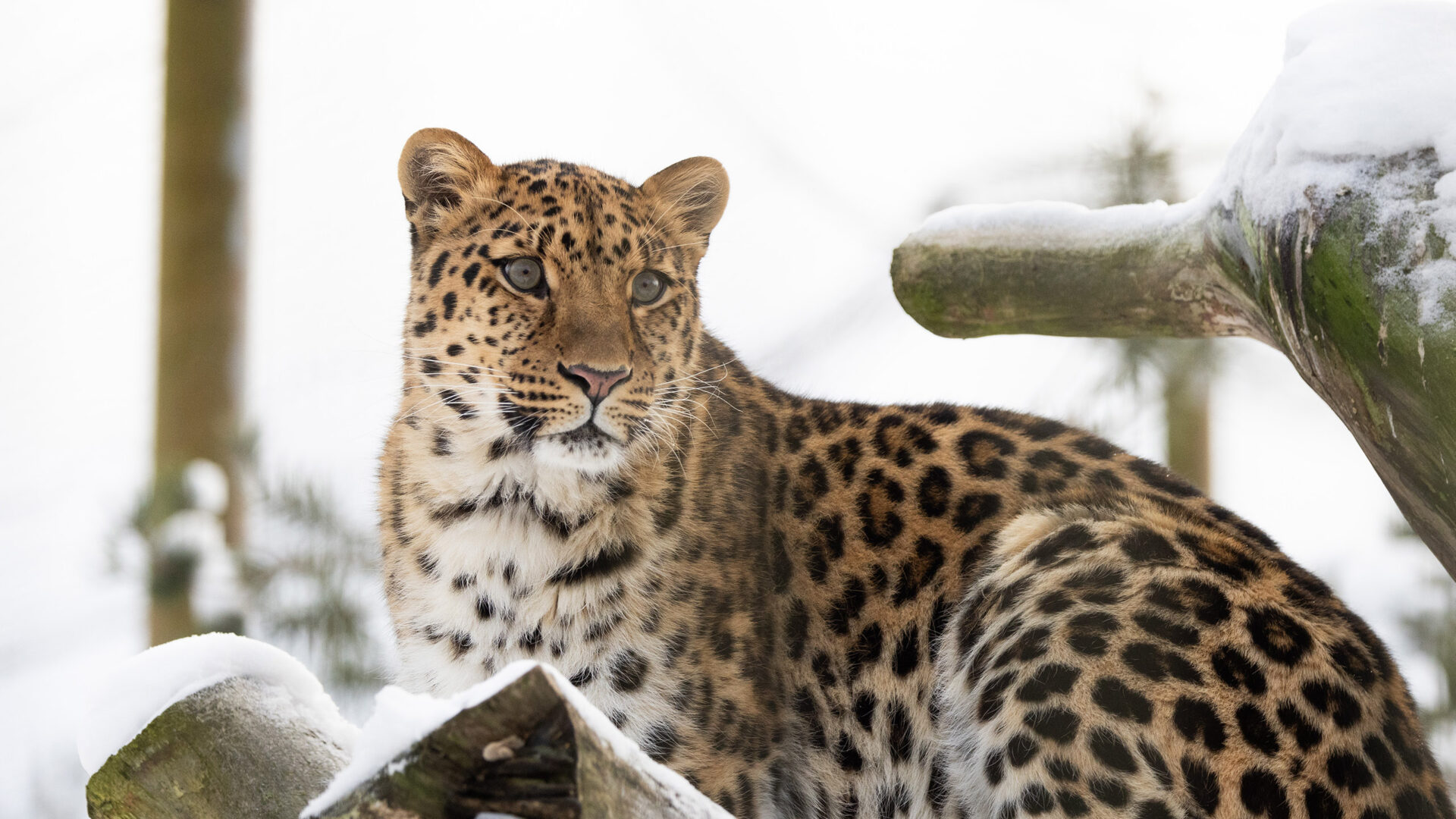
The situation of wild cats in the Russian Far East is worrying. Amur leopards are threatened with extinction – there are only around 100 of them in the wild. The Amur tigers were at their lowest population of only about 40, but persistent conservation efforts have helped to boost their numbers. Our conservation partner in this project was the WildCats Conservation Alliance. The organisation’s conservation patrols include monitoring the Amur big cats’ habitats for poachers and fires.

As it is currently not possible to provide financial support for conservation work in Russia, conservation efforts in recent years have focused on research into the captive population. For this reason, funds are not currently being actively raised for the project.

Madagascar’s forests and lemurs

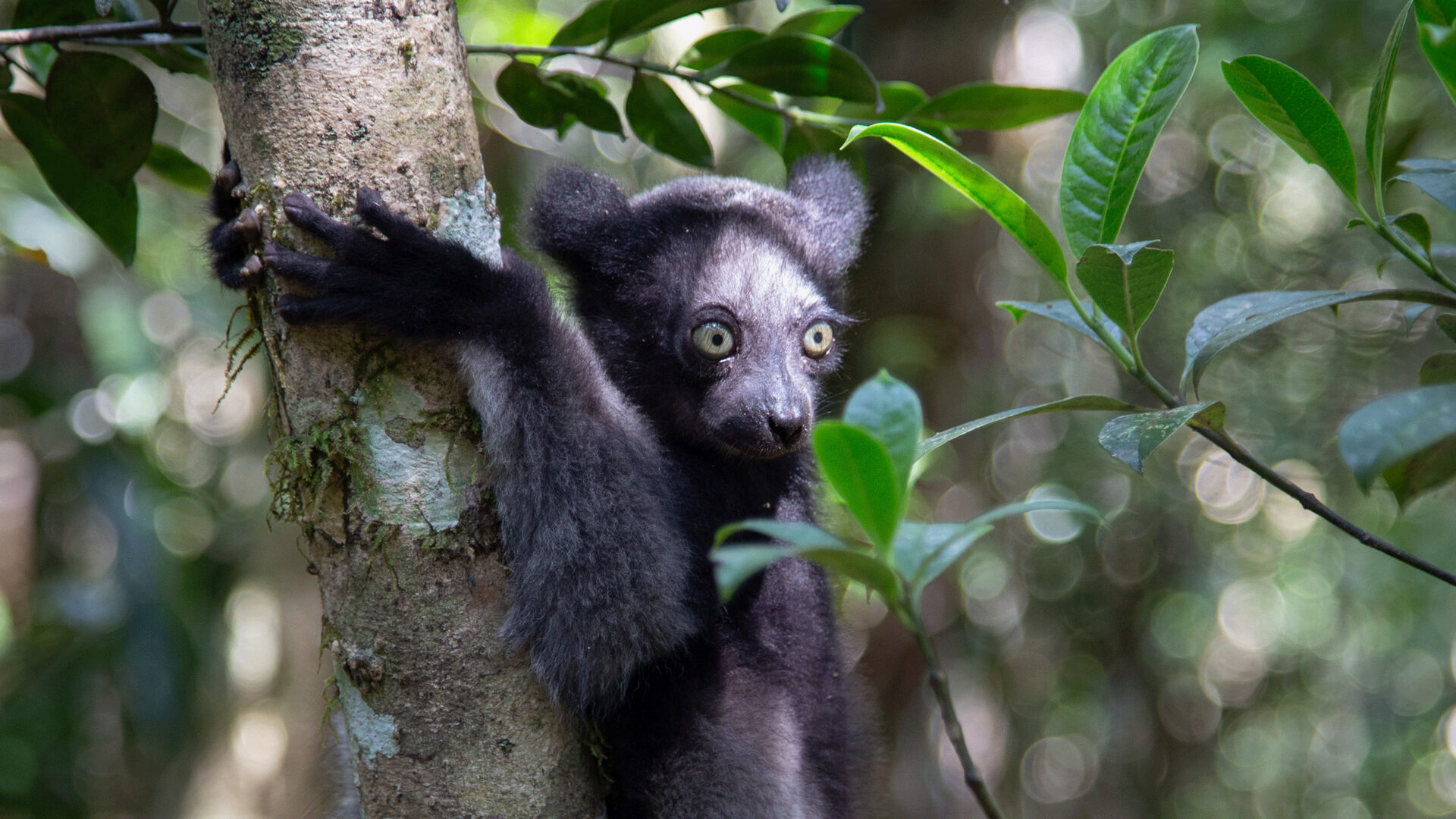
The forests of Torotorofotsy in eastern Madagascar are home to extremely endangered lemurs. A joint project between Korkeasaari Zoo and The Finnish Association for Nature Conservation from 2021 to 2024 promoted forest conservation. This was done by supporting sustainable development in the Andasibe area and involving local people in conservation, while regular surveys were carried out to collect information on the lemur populations in the area.