
Amur tiger
Panthera tigris altaica
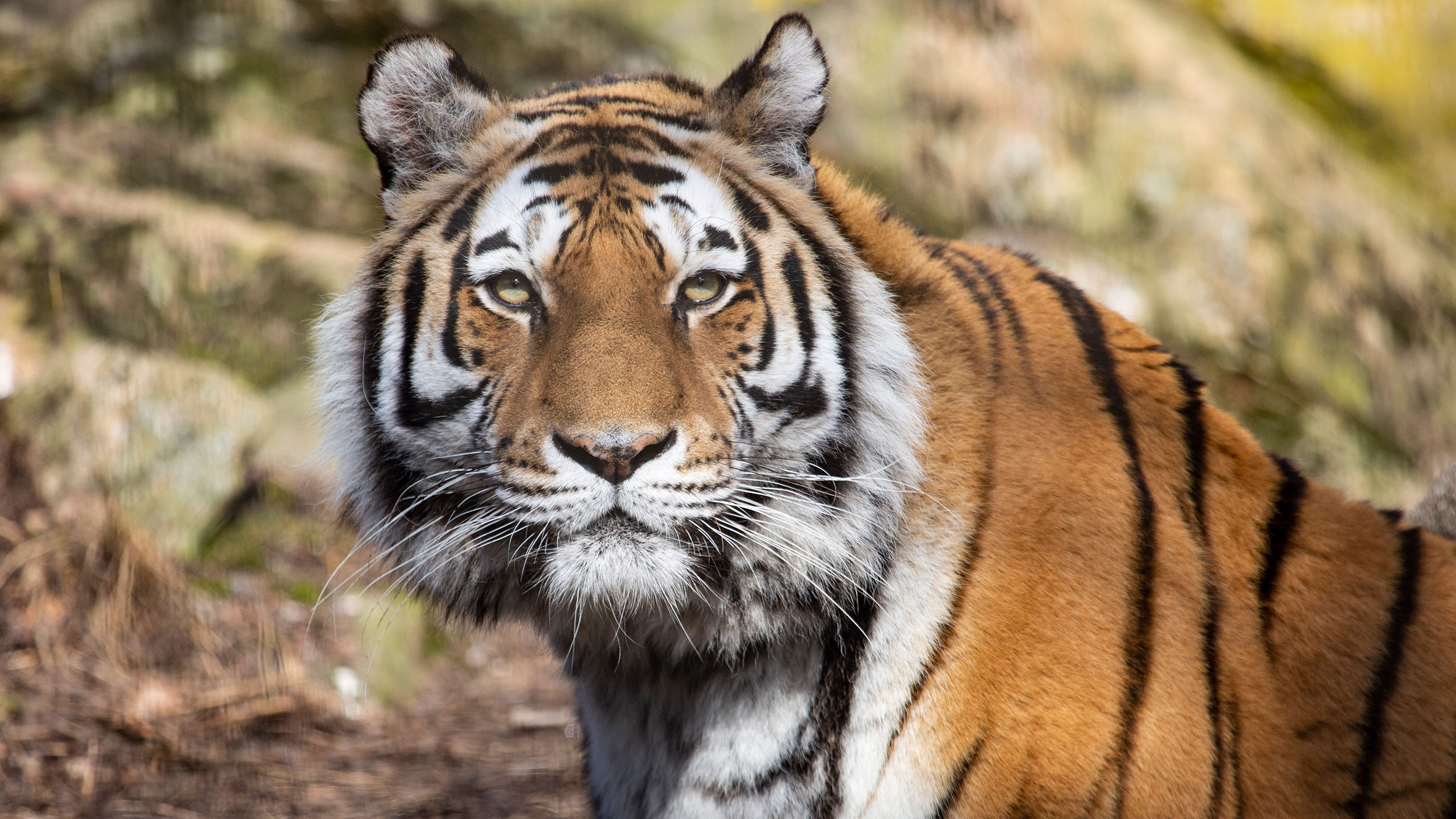
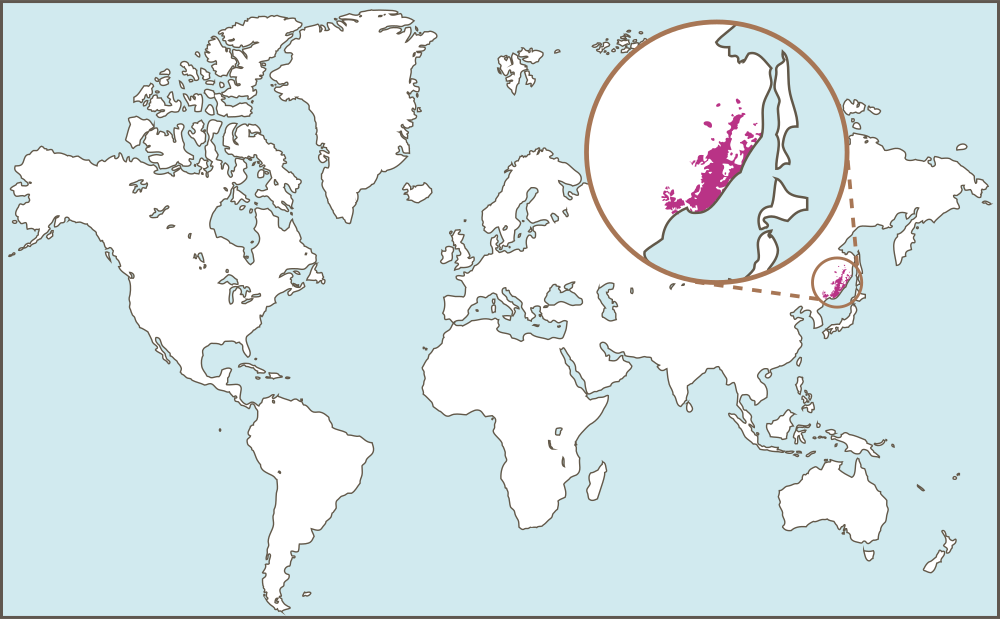
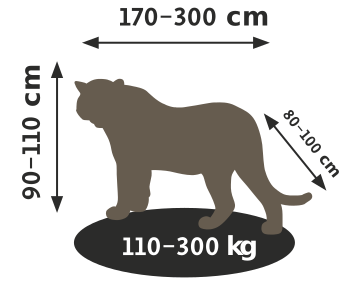
The Amur tiger, previously also known as the Siberian tiger, is an all-weather feline predator. It is not afraid of snow or frost and it loves to swim. In terms of distribution, it is the northernmost of the tigers. Along with the Indian tiger, the Amur tiger is the largest feline in the world.
The Amur tiger’s mating season is in the winter and the cubs are usually born in the spring after three months in the womb. Sometimes, the male may spend time with the female and cubs, even though the tiger is primarily a solitary animal. The tiger’s stripes serve as camouflage when it stalks its prey in the long grass.
Conservation
All tigers are endangered in the wild. The biggest reason for this is poaching for their furs and bones. Amur tiger is part of the CITES convention, which regulates the international trade of endangered or threatened animals and plants.
There is currently no full consensus among experts on the number of tiger subspecies, as different research methods have produced partly conflicting results. Recent studies have suggested anywhere from two to nine six subspecies. The relationships between some subspecies are still unclear, and further research is needed. Korkeasaari Zoo has supported genetic research on Amur tigers.
Korkeasaari Zoo’s Amur tigers are part of an ex-situ conservation programme by the European Association of Zoos and Aquaria EAZA, known as the EEP. The aim of the EEP is to maintain a healthy zoo population of the tigers, and to make reintroductions to the wild possible in the future if needed.
Korkeasaari Zoo has an ongoing project to support the conservation of Amur tigers.
Cat Valley
EAZA Ex-situ Programme

Endangerment

Distribution
Habitat

Diet


Size
Lifespan
Up to 15 years
Scientific classification
Order: Carnivora
Family: Felidae